



Whether short-term or long-term, storing your items in a storage unit is an effective way to downsize, preserve older items, or store your furniture before moving. Similar to Simple Moves, many moving companies offer their own storage units for customers to utilize when moving.
Updated for 2026 — this guide reflects the latest moving tips and pricing for the Greater Vancouver area.
Table of Contents
Do not panic over owning too many things or not having an appropriate place to keep your grandmother’s vintage lamp. There is a storage solution available for you. If you are moving or simply looking to preserve or downsize, read on to learn more on how to properly prepare your items for storage.
Research Storage Restrictions
The first step you will want to take when searching for a storage unit is researching the restrictions. There are usually rules in place regarding items like firearms, food, hazardous materials, money, and other items you might not have considered. As a general rule of thumb, if it’s regarded as a living object (whether dead or alive) then it’s usually prohibited.
Most of the items you will find in a storage unit are everyday household items like furniture, appliances, clothing, and things you use seasonally, like decorations.
Prohibited Items to Keep in Mind
Beyond the obvious restrictions, there are several categories of items that most storage facilities will not allow. These include perishable food of any kind, propane tanks and other compressed gases, paint and solvents, fertilizers, fireworks, and any flammable liquids. Vehicles with fuel in the tank may also be restricted depending on the facility.
Items with sentimental or irreplaceable value, such as family documents, passports, and birth certificates, are technically allowed but are better kept at home or in a safety deposit box. The same goes for large amounts of cash, jewelry, or other high-value items that may not be covered under the facility’s standard insurance.
Climate Control Considerations
Not all storage units are created equal, and choosing the right type can make or break the condition of your belongings. Standard unheated units work fine for durable items like metal tools, plastic bins, and outdoor equipment. However, if you are storing wood furniture, electronics, musical instruments, leather goods, artwork, or photographs, a climate-controlled unit is worth the extra cost.
In the Lower Mainland, humidity is a year-round concern. Without climate control, moisture can cause wood to warp, metal to rust, fabric to develop mildew, and electronics to corrode. A climate-controlled unit maintains a consistent temperature and humidity level, protecting sensitive items from these risks. If a climate-controlled unit is not in your budget, use moisture absorbers like silica gel packets or DampRid containers inside your unit to help manage humidity.
Create an Inventory of Your Items
Once you have decided on a storage unit that offers the ideal storage solutions for you, you will want to move forward and create an inventory of all your items.
Having an inventory allows you to better organize your items and keep track of them. If you misplace an item or think it’s at home when it’s really in storage, an inventory will give you the option to double-check. You will find it comes in handy to have a list of all your items in one place.
These days, many apps are available for your phone that assist with keeping an inventory of your items in a simple and time-efficient way. If you’re not tech-savvy, you can always go the traditional route and keep an inventory using pen and paper. You can do whichever method suits your needs and lifestyle.
Organization Tips for Your Storage Unit
A well-organized storage unit saves you time and frustration every time you need to access something. Start by placing items you will need to access frequently near the front of the unit and seasonal or rarely used items toward the back.
Stack boxes with the heaviest on the bottom and lightest on top. Label every box on at least two sides so you can identify contents without moving anything. Use uniform box sizes when possible, as they stack more securely than a mix of different shapes.
Leave a narrow walkway down the centre or along one side of the unit so you can reach items at the back without dismantling the entire setup. Store furniture vertically when possible, such as mattresses and table tops, to maximize floor space. Place pallets or wooden boards on the floor beneath your items to keep them elevated and protected from any moisture that may seep in.
Plan for Access
Before signing a storage agreement, think about how often you will need to access your unit. Some facilities offer 24-hour access while others have limited gate hours. If you anticipate needing to retrieve items on weekends or evenings, confirm that the facility’s hours accommodate your schedule.
Consider the unit’s location relative to your home or workplace. A cheaper unit across town may cost you more in time and fuel over the course of several months. If you are storing items during a home renovation or between moves, proximity matters more than you might think.
Thoroughly Clean and Protect Your Items and Belongings
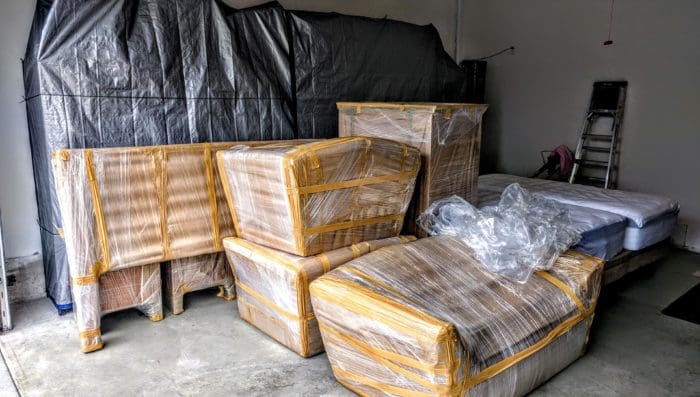
Before you decide to move your belongings into a storage unit, it’s essential that you clean and protect them first. You will want to ensure that your items are adequately covered or sealed and clean. You can cover your furniture with moving materials like plastic, sheets, tarp, or bubble wrap.
You will want to disassemble oversized furniture like kitchen tables and bedroom sets and spray them with a protective spray (like wood spray or whatever material your furniture is made of). Also, be sure to vacuum your sofa and inside dresser drawers. It is always good to store items with minimal mess, like crumbs and fibers, to avoid odors and dust.
For appliances and electronics, make sure to remove batteries and leave any fridge or oven doors slightly open to avoid smells. Another way to ensure your items stay in excellent condition is to make sure none of them are wet. You will want to avoid wetness at all costs since it will damage your furniture as well as create an unhealthy environment with mold.
Short-Term vs. Long-Term Storage Preparation
How long you plan to store your items should influence how you prepare them. For short-term storage of a few weeks to a couple of months, basic cleaning and covering is usually sufficient. You can use moving blankets and plastic wrap without worrying too much about long-term degradation.
Long-term storage of six months or more requires more thorough preparation. Avoid wrapping upholstered furniture entirely in plastic for extended periods, as trapped moisture can cause mould and mildew. Instead, use breathable fabric covers or cotton sheets. Apply leather conditioner to leather furniture before storing it to prevent drying and cracking.
For electronics stored long-term, place them in their original boxes if you still have them, or wrap them in anti-static bubble wrap. Store them off the ground and away from exterior walls where temperature fluctuations are greatest. Visit your unit periodically to check on conditions, especially during seasonal changes when humidity levels shift.
Clothing stored for extended periods should be clean, dry, and packed in breathable garment bags or cotton bins rather than plastic bags, which trap moisture. Add cedar blocks or lavender sachets to deter moths and keep items smelling fresh.
Contact Us Today
If you are looking for flexible pricing and a safe place to store your possessions and you live in Burnaby, Langley, Vancouver, or surrounding areas, look no further. Simple Moves will not only provide you with excellent moving services, but we will also ensure you have a hassle-free experience safely storing your items. Please feel free to reach out with any questions. Give us a call at (604) 670-6050 or fill out our contact form.
Protecting Furniture and Upholstery in Storage
Large furniture pieces need specific preparation before they go into a storage unit. Disassemble bed frames, dining tables, and shelving units wherever possible—flat components stack more efficiently and are less likely to shift or sustain damage. Keep all hardware (screws, bolts, cam locks) in labelled plastic bags taped directly to the corresponding furniture piece so reassembly is straightforward months later.
Upholstered items like sofas and mattresses should be wrapped in breathable furniture covers rather than plastic sheeting. Plastic traps moisture and promotes mould growth, especially during British Columbia’s damp fall and winter months. Cotton or polypropylene covers allow air circulation while still protecting against dust and minor scuffs.
Place a layer of pallets or two-by-four lumber on the storage unit floor before stacking items. This lifts your belongings off the concrete, protecting them from any moisture that seeps in along the ground—a common issue in ground-level units during heavy rain.
Documents and Valuables: Special Storage Considerations
Important documents, photographs, and small valuables deserve extra protection. Use waterproof plastic bins rather than cardboard boxes for paperwork, tax records, and family photos. Silica gel packets placed inside each bin absorb residual moisture and prevent the musty smell that can develop in stored paper goods over several months.
Jewellery, external hard drives, and other high-value small items are generally better kept at home or in a bank safety deposit box rather than a storage unit. If you must store electronics, wrap them in anti-static bags and avoid stacking heavy items on top of them.
Simple Moves: Moving and Storage Under One Roof
Coordinating a move and storage separately means double the logistics and double the handling of your belongings. Simple Moves offers both full-service moving and storage, so your items travel directly from your home into a secure facility without an extra trip. Get a free quote or call (604) 398-4680 to discuss your storage needs.
Seasonal Storage Tips for British Columbia
British Columbia’s climate creates specific challenges for items in storage. During the rainy season from October through March, ground-level storage units are particularly susceptible to moisture intrusion. If your unit is on the ground floor, place moisture-absorbing products like silica gel packs or calcium chloride dehumidifiers inside the space and check them monthly. A small battery-powered hygrometer costs under twenty dollars and lets you monitor humidity levels each time you visit.
Summer brings the opposite concern: heat buildup in non-climate-controlled units can damage candles, vinyl records, cosmetics, and certain medications. If you are storing items through a full BC year, a climate-controlled unit is worth the premium—the cost of replacing heat-damaged or moisture-warped belongings almost always exceeds the price difference between standard and climate-controlled storage.
Maximizing Space in Your Storage Unit
A well-organized storage unit can hold significantly more than a haphazardly packed one. Place heavy boxes and appliances at the back and bottom, with lighter boxes stacked on top. Leave a narrow aisle down the centre so you can access items at the rear without unstacking everything. Store items you may need to retrieve—seasonal clothing, holiday decorations, or important documents—near the front of the unit for easy access. Uniform box sizes stack more efficiently than a mix of random containers, so investing in a set of standard moving boxes pays for itself in space savings.