

Pack a Pod to Move
When it comes to moving, the process can be daunting and stressful. When you get your moving container, it all comes down to how you pack it. And let us stop for a moment and tell you, that professional movers mean loading when we say packing. Customers like to use the word “packing”, and funny conversations ensue with the movers about what we are really talking about here.
Using the tips below, you can make the packing and moving process easier for yourself. Plus, at Simple Moves & Storage, we’re here to help! We can assist with all parts of your moving journey.
Maximize container space
When packing items into pod moving containers, it’s best to start from the back and stack them side by side. Then, continue the next row with lighter items on top of the first row, also side by side. This may seem counterintuitive, but it will help you make the most of the available space without having to reach over previous stacks.
Loading vertically is especially effective for oversized items such as mattresses and sofas, which would take up much more room packed out towards the front or even funnier, flat on the ground.
Not only does effective loading and maximizing your container space help with your storage organization, but it can also lower your costs if you can downsize your pod moving containers (in effect, paying less).
Distribute the weight
When loading your pods for moving and storage, it’s very important to distribute the weight evenly. This goes for all sides of the container, from end to end and side to side. The best way to do this is to load your most significant and heaviest furniture and boxes first, placing them on each side of the pods’ moving container.
If you don’t have enough to offset the container evenly with heavier items, load them in the middle of the container and place items around it as you continue filling the pods moving and storage bin.
Pack your valuables and essentials separately
The last thing you want to do is scramble for your essential items when you get to your destination. Chances are, you will be living with boxes for at least a few days, if not a week or two, as you settle into your new space.
Having your essentials at the forefront of the container (or at least easily accessible) will do wonders for you when it comes time to unpack. Moving is stressful enough as it is; make it easier on yourself by packing essentials separately.
For your valuables, keeping them protected is a must. Pack them carefully and ensure they are in a spot that is out of sight, but not being crushed under other, heavier boxes.
Cover and protect your items
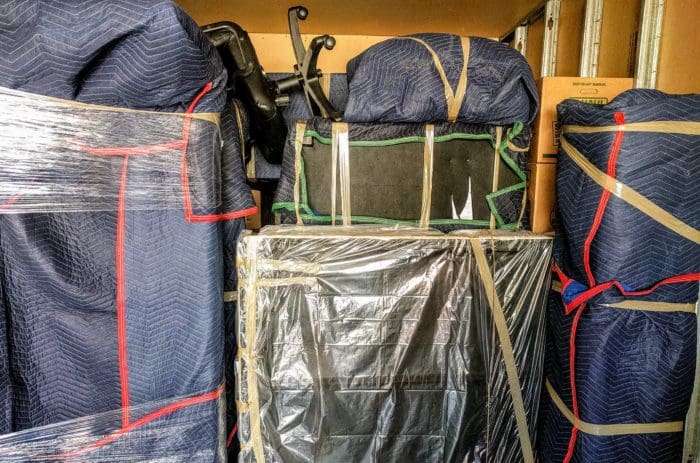
Valuables or not, all your items should be covered and protected using plastic wrap or moving pads (at least for your best furniture), storage boxes and containers, packing peanuts or styrofoam, and more.
Keeping your items safe during transport—either to your new destination or to storage—will protect them from damage, dust, mould, mildew, rodents, and more.
The last thing you want is for your personal belongings to become damaged or ruined after they are transported or stored.
Document what goes where
Organization is vital when it comes to moving. Taking the first step of renting pods and moving containers is great, but to make the process even easier, create an organizational flow that works for you.
It can be anything from colour-coded stickers to a packing layout or anything in between. Do what works for you, will make sense to you, and that you understand.
If you’re ready to start planning, packing, and preparing for your relocation, call Simple Moves. We are experts in moving and will help you through the process.
Give us a call at (604) 398-4680 or book an appointment online for either local movers or a long-distance move. We’ve got your back!
Explore our related services: full service movers, affordable movers in Vancouver.
Choosing the Right Pod Size for Your Move in 2026
Selecting the correct pod size is one of the most important decisions you will make during your move. In 2026, portable storage containers typically come in three standard sizes: small (7-8 feet), medium (12 feet), and large (16 feet). Choosing a pod that is too small means you will either need to rent a second container or leave items behind, while a pod that is too large wastes money on unused space.
For a studio or one-bedroom apartment, a small pod is usually sufficient. Two-bedroom homes generally require a medium pod, while three-bedroom homes and larger may need a large pod or multiple containers. When in doubt, it is better to size up slightly. The cost difference between a medium and large pod is typically much less than the expense and hassle of renting a second unit.
Consider the types of items you are storing, not just the quantity. Bulky furniture like couches, dressers, and dining tables consume significant space, while boxes can be stacked efficiently. If you are downsizing before your move, which we always recommend, you may find that a smaller pod works perfectly for your reduced inventory.
Essential Packing Materials for Pod Storage
Having the right packing materials on hand before you start loading your pod makes the entire process faster and more organized. Start with sturdy, uniform-sized moving boxes. Uniform boxes stack more efficiently than a random assortment of sizes, maximizing your use of vertical space inside the container.
Moving blankets and furniture pads are essential for protecting wood surfaces, glass, and upholstery during transit and storage. Stretch wrap is invaluable for bundling items together, securing drawers and doors, and adding a protective layer to furniture. Packing paper and bubble wrap protect fragile items like dishes, glassware, and electronics.
You will also want tie-down straps or ratchet straps to secure tall items and prevent shifting during transport. A good set of straps can mean the difference between everything arriving safely and a cascade of fallen furniture. Finally, keep a utility knife, tape gun, and markers handy for sealing and labelling boxes as you work.
Room-by-Room Loading Strategy
Rather than loading items randomly as you pack them, organize your pod loading by room. Start with the heaviest and bulkiest items from your least-used rooms. Guest bedroom furniture, seasonal items, and rarely used appliances should go in first, against the back wall of the pod.
Next, load the major furniture pieces from your living room and primary bedroom. Stand mattresses and box springs on their sides to save floor space, and slide dressers and desks against the walls. Fill the gaps between large items with medium-sized boxes, creating a tight, stable load that resists shifting.
Kitchen items and bathroom essentials should go near the front of the pod since you will likely need access to these items first at your destination. Leave a narrow aisle down the center if possible, giving you the ability to reach items without unloading everything.
The final layer should be your most delicate and frequently needed items. Boxes containing electronics, important documents, and daily essentials should be accessible without major unpacking. If you are storing the pod for an extended period, place items you might need to retrieve near the door.
Climate and Weather Considerations for Pod Storage
If your pod will be stored outdoors or transported during variable weather, take extra precautions to protect your belongings. In British Columbia, rain is a constant consideration, especially during fall and winter months. While storage pods are designed to be weather-resistant, condensation can build up inside during temperature changes.
Use plastic bins or waterproof containers for items that are sensitive to moisture, such as books, photographs, and electronics. Place silica gel packets or moisture absorbers inside the pod to reduce humidity. Avoid storing items directly on the floor of the container; instead, use pallets or plastic sheeting as a moisture barrier.
For items going into long-term storage, wrap upholstered furniture in breathable cotton covers rather than plastic. Plastic traps moisture and can lead to mould growth on fabric surfaces. Cotton covers allow airflow while still protecting against dust and debris.
When to Hire Professional Movers for Pod Loading
While packing a pod yourself can save money, there are situations where hiring professional movers for the loading process makes sense. If you have heavy furniture like pianos, solid wood dining sets, or large appliances, professional movers have the equipment and training to load these items safely without risking injury or damage.
Professional movers are also experts at maximizing space. A team from Simple Moves can often fit the same amount of belongings into a smaller pod than most people can manage on their own, potentially saving you the cost of a larger container. Our crews load pods daily and know exactly how to arrange items for maximum efficiency and protection.
At Simple Moves, we offer flexible loading services that fit your budget. Whether you need a full service move that handles everything from packing to loading, or just a crew to help with the heavy lifting, we have options that work for every situation. For small moves in Vancouver, our efficient teams can load your pod in just a few hours.
Ready to get started? Call Simple Moves at (604) 398-4680 or request a free quote online. We will help you choose the right approach for your pod move and ensure everything arrives safely at your destination.
For a studio or one-bedroom apartment, a small 7-8 foot pod is usually sufficient. Two-bedroom homes typically need a 12-foot medium pod, and three-bedroom homes may require a 16-foot large pod or multiple containers. When in doubt, size up slightly to avoid needing a second unit.
Use moving blankets and furniture pads on all wood and glass surfaces. Wrap fragile items in bubble wrap or packing paper. Secure tall items with tie-down straps to prevent shifting. Distribute weight evenly and place heavier items on the bottom with lighter items on top.
Load heavy, bulky furniture first against the back wall. Stack medium boxes in gaps between large items. Place kitchen and bathroom essentials near the front for easy access. Keep delicate and frequently needed items near the door.
Professional movers are recommended if you have heavy furniture, fragile items, or want to maximize space efficiency. A professional crew from Simple Moves can often fit more into a smaller pod, potentially saving you money on container rental while ensuring everything is loaded safely.
{
]
}
Get a Free Moving Quote From Simple Moves
Simple Moves is a full-service moving company serving Metro Vancouver, the Fraser Valley, and all of British Columbia. We provide the experienced movers and the trucks — you do not need to rent a vehicle or recruit friends. Whether you are moving across the street or across the province, we make every move simple.
Call (604) 398-4680 or request a free quote online today.