



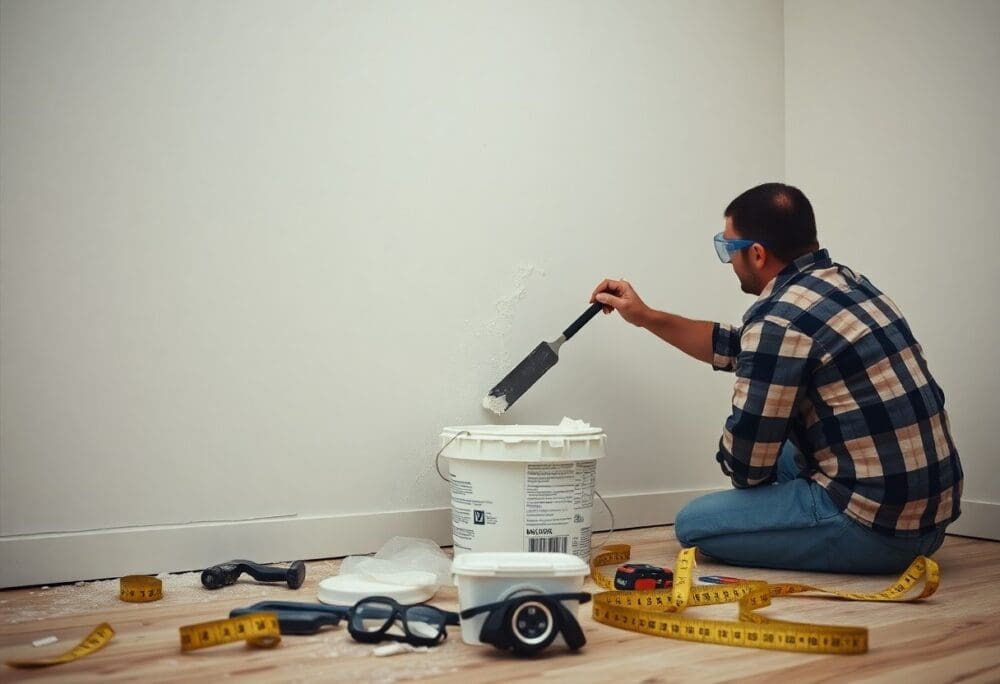
Over time, your drywall may develop holes, cracks, or dents, which can be unsightly and compromise the integrity of your walls. You can patch these imperfections yourself with a few simple tools and materials, saving you money on professional repair costs. To get started, you will need to gather your materials, including a putty knife, joint compound, sandpaper, and a paintbrush. You should also have a piece of drywall that matches the original as closely as possible, in case you need to replace a large section.
As you begin the patching process, you will need to clean the area around the damaged drywall to ensure a smooth and even surface for repair. You should use a vacuum cleaner or damp cloth to remove any debris or dust from the area. Next, you will apply a layer of joint compound to the back of the patch and press it firmly into place, making sure it is centered and smooth. You can use a putty knife to spread the compound and feather it out towards the edges, creating a seamless transition between the old and new drywall.
The cost of patching drywall can vary depending on the size and complexity of the repair, as well as the materials you choose to use. On average, you can expect to pay between $10 and $30 for a small container of joint compound, and $20 to $50 for a piece of drywall, depending on the size and thickness. You may also need to purchase sandpaper, a putty knife, and other tools, which can add an additional $20 to $50 to your total cost. If you need to hire a professional to do the repair, you can expect to pay significantly more, with prices ranging from $100 to $500 or more, depending on the extent of the damage.
As you work on patching your drywall, you should be aware of the potential costs involved in this home improvement project. You will need to consider the cost of materials, as well as any additional tools or equipment you may need to purchase. You should also factor in the value of your time, as patching drywall can be a time-consuming process, especially if you are new to DIY projects. However, with patience and practice, you can achieve professional-looking results and save money on repair costs. By following these steps and considering your costs carefully, you can successfully patch your drywall and enjoy a smooth and even surface for years to come.
Finally, you should consider the long-term benefits of patching your drywall, including improved appearance and increased property value. You will be able to enjoy a smooth and even surface, free from holes and cracks, and you will be able to paint and decorate your walls with confidence. With the right materials and a bit of practice, you can achieve professional-looking results and save money on repair costs, making patching drywall a worthwhile and cost-effective home improvement project. You will be proud of your handiwork and enjoy the satisfaction of having completed the project yourself.