




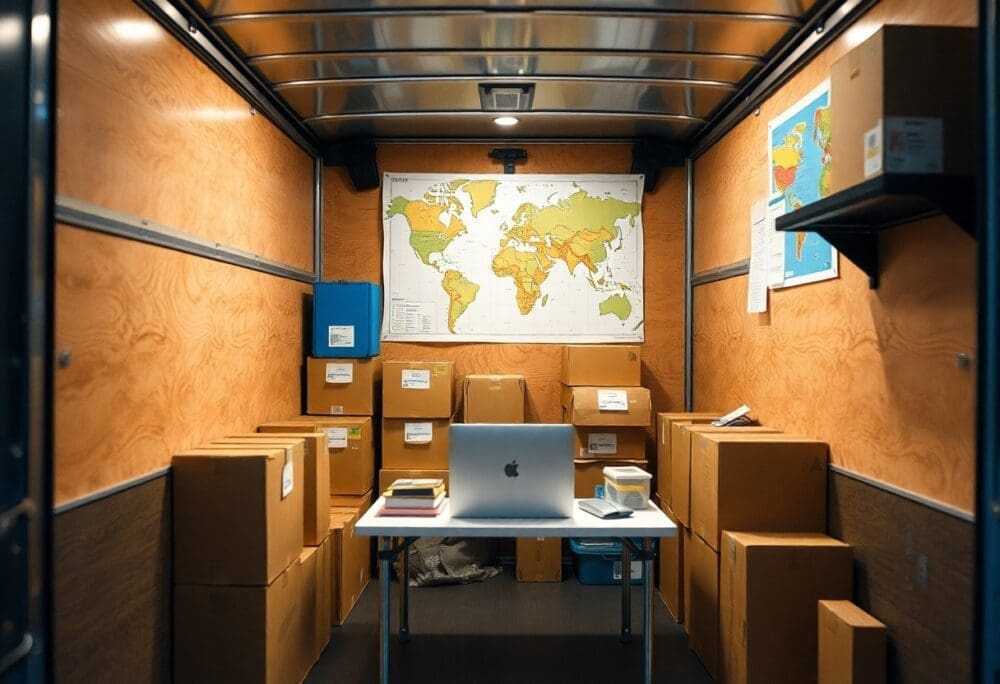
Many individuals face the challenges of relocating for work across provinces, often feeling overwhelmed by the logistics involved. To ensure a smooth transition, create a detailed plan that outlines key tasks such as packing, changing addresses, and coordinating utilities. Stay on top of your crucials by prioritizing tasks and using checklists to track progress. Embrace technology by utilizing apps for scheduling and reminders, which can significantly reduce stress during this busy time. By staying organized and proactive, you can make your move efficient and successful.
Key Takeaways:
- Plan and create a detailed checklist to manage tasks and timelines.
- Use labeled boxes and color-coding for easier organization and identification of items.
- Research your new location for services, utilities, and logistics ahead of time.

Planning Your Move
Effective planning is necessary for a seamless move across provinces. Start by outlining every task that needs to be accomplished, from packing to notifying services about your change of address. A well-structured plan will help ensure that nothing falls through the cracks, making the transition smoother and less stressful.
Create a Timeline
Establish a clear timeline for your move, setting specific deadlines for each task. Start from your target moving date and work backward, allocating time for packing, arrangements, and travel. This proactive approach minimizes last-minute chaos and helps keep you accountable.
Budgeting for Your Move
Budgeting is key to avoid unexpected expenses during your move. Identify all potential costs, including moving services, packing materials, and temporary housing if needed. Aim for a budget that considers both necessarys and contingencies to avoid financial strain.
When budgeting, break down costs into categories such as transportation, packing supplies, and any professional help you may need. For instance, hiring a moving company can range from $800 to over $2,000 depending on distance and service level. Always set aside an additional 10-15% for unforeseen expenses, ensuring your financial plan accommodates emergencies like delays or last-minute changes.
Decluttering Before the Move
Before the big day arrives, decluttering is necessary to streamline your move. Start by evaluating your belongings to separate what you truly need from what you can part with. This process not only lightens your load but also allows you to focus on the items that are truly valuable to you. For more detailed strategies on organizing your move, check out How to Move Across the Country.
Sorting Through Belongings
Begin the sorting process by categorizing your items into groups: keep, donate, sell, and discard. Go room by room, and assess each item’s importance in your life. If something hasn’t been used in the past year, it might be time to let it go. This method not only simplifies packing but also helps you keep only what matters most.
Donating or Selling Unwanted Items
Once you have classified your items, focus on the donation or sale of items you no longer want. Local charities, thrift stores, and online marketplaces can provide opportunities to give your belongings a second life while benefiting others.
For items in good condition, consider using local online marketplaces or apps like Facebook Marketplace, Craigslist, or OfferUp to quickly sell your unwanted items. You could recoup some moving costs while helping others find what they need. If selling isn’t an option, donating to shelters or organizations like Goodwill or the Salvation Army allows your items to be reused, thereby serving a greater purpose in your community. Additionally, you might find tax deductions for donations, further easing your financial burden during the transition.
Finding the Right Moving Company
Choosing the right moving company can make or break your relocation experience. It’s necessary to find professionals who understand the complexities of moving across provinces. Start by reviewing services and customer feedback to ensure you select a reliable partner. For guidance, refer to the Moving to Another Province Checklist for comprehensive tips and requirements.
Researching Options
Begin your search by looking into various moving companies that specialize in long-distance relocations. Utilize online platforms to read reviews and explore ratings from previous clients. Prioritize finding companies that are licensed and insured, as this ensures your belongings are protected during the move.
Comparing Quotes and Services
After compiling a list of potential movers, the next step is to obtain and compare quotes. Ensure that each quote includes detailed information about their services, such as packing options, delivery timelines, and set fees to avoid unexpected costs. Here’s a breakdown of what you should consider:
| Comparison Factor | Details |
|---|---|
| Price | Compare total costs, including hidden fees. |
| Services Offered | Assess additional services like packing and storage. |
| Insurance Coverage | Check for coverage options in case of damage. |
| Timeline | Confirm estimated delivery dates and schedules. |
When comparing quotes, focus not just on the price but also on the services provided. The cheapest option might compromise on quality. Ensure the moving company offers comprehensive services that match your specific needs, such as fragile item handling and timely delivery assurances. A detailed cost breakdown, reflecting all aspects of the move, is key in making an informed decision.
| Key Considerations | Impact on Decision |
|---|---|
| Company Reputation | Influences trust and reliability of services. |
| Availability | Ensures your chosen date aligns with their schedule. |
| Customer Support | Indicates responsiveness and willingness to assist. |

Packing Efficiently
Packing efficiently saves time and reduces stress during your move. Organize your belongings by room and type, ensuring that similar items are packed together. Use boxes of various sizes to accommodate different items, and always fill gaps with packing materials to prevent shifting. Efficient packing not only maximizes space but also makes unpacking much easier in your new home.
Organizing Packing Materials
Gather imperative packing materials before you start, including boxes, bubble wrap, tape, and markers. Create a designated packing station in your current home to keep everything organized. Using clear plastic bins for smaller items not only helps in visibility but also protects them from damage during transit—this approach provides efficiency during packing and unpacking.
Labeling Boxes for Easy Access
Labeling your boxes is key for a smooth transition. Clearly mark each box with its contents and the room it belongs to, so unpacking becomes a straightforward task. Utilize different colored labels for each room to enhance visibility and reduce confusion when it’s time to unpack. This method facilitates a quicker setup in your new location.
When labeling boxes, include specifics like ‘Kitchen’ and ‘Crockery’ to enhance item retrieval. Consider creating a master inventory list on your phone or in a notebook, indicating the contents of each box by its assigned number. This system not only simplifies locating items, especially imperatives, but also helps ensure nothing gets lost during the move. An organized labeling approach saves you from opening multiple boxes in search of crucial items, streamlining your unpacking experience considerably.

Managing Transition Logistics
Organizing your moving logistics can streamline your transition significantly. Start by creating a moving checklist that outlines everything, from hiring movers to packing your belongings. According to 7 Smart Tips for a Stress-Free Cross-Country Move, early planning and scheduling can help avoid last-minute chaos. Coordinate your travel plans to ensure a smooth arrival while keeping track of key contacts, documents, and schedules during the move.
Setting Up Utilities in New Location
Contact utility providers in your new area well in advance to schedule the setup of services such as electricity, water, gas, and internet. Timely arrangements ensure that you have imperative services available upon arrival, making your settling-in process much smoother. This not only saves you time but also minimizes any discomfort of living without basic amenities.
Updating Address and Important Documents
Updating your address across all relevant documents is imperative to avoid future complications. Notify the postal service, your employer, bank, and any subscription services of your new address. This action ensures your mail is forwarded to your new residence and that you receive important information without delay.
Address updates should also include government-issued IDs, vehicle registration, and voter information. Allocate time to visit local offices or websites to complete these changes; this is particularly vital if you are changing provinces, as different regulations may apply. For your bank and insurance providers, be sure to ask about potential policy updates related to your new location. A seamless transition keeps your life organized and prevents unnecessary stress as you settle in.
Settling into Your New Home
As you settle into your new home, prioritize making it comfortable and functional. Start by personalizing your space, even if you haven’t fully unpacked yet. Hang pictures, arrange your furniture, and create an inviting atmosphere. This first step not only enhances your mood but also helps you adapt to your new environment more quickly, making it feel like home.
Unpacking Strategically
Unpacking strategically can save you time and reduce stress. Begin with vitals, like kitchen items and necessary toiletries, ensuring these are readily accessible. Tackle one room at a time, focusing on high-priority spaces such as your bedroom and living area first. This approach creates a sense of order and allows you to enjoy your new place sooner.
Establishing a Routine in Your New Environment
Establishing a routine in your new environment is vital for settling in. Aim to set regular work hours, meal times, and leisure activities that fit your schedule. Whether it’s morning workouts or evening relaxation techniques, consistency helps you adjust to your new surroundings, making it easier to integrate into your neighborhood and workplace.
To solidify your routine, consider exploring local cafes or parks for your morning coffee or exercise. Engaging with your community strengthens your connection to the area. Try joining clubs or classes that spark your interest, which not only fills your downtime but also promotes socializing. Aim for a balanced mix of work and leisure activities to ensure a smooth transition into your new life.
To wrap up
Hence, staying organized when moving for work across provinces involves thorough planning, timely logistics, and effective communication. You should create a detailed timeline, utilize checklists, and label your belongings to streamline the process. It’s beneficial to break tasks into manageable segments and utilize digital tools to keep track of everything. Engaging with professionals for assistance and ensuring you have a clear understanding of your new location can enhance your transition. By following these strategies, you can ensure a smooth relocation that allows you to focus on your new professional endeavors.
FAQ
Q: What are the first steps to take when planning a move across provinces for work?
A: Start by researching your new location, including cost of living, housing options, and local amenities. Create a moving checklist to track tasks such as notifying your employer, scheduling a moving company, and updating address details with important services.
Q: How can I manage my time effectively during the moving process?
A: Break down the moving process into smaller tasks and set deadlines for each. Use a calendar or task management app to schedule packing, cleaning, and travel arrangements. Allocate specific days for tasks like sorting through belongings, packing, and completing move-related paperwork.
Q: What tools or resources can help keep me organized during a move?
A: Utilize packing supplies like color-coded labels for boxes and a spreadsheet to track inventory. Consider using moving apps that help plan logistics, create checklists, and provide reminders. Online forums or social media groups can also offer tips and support from others who have moved for work.