


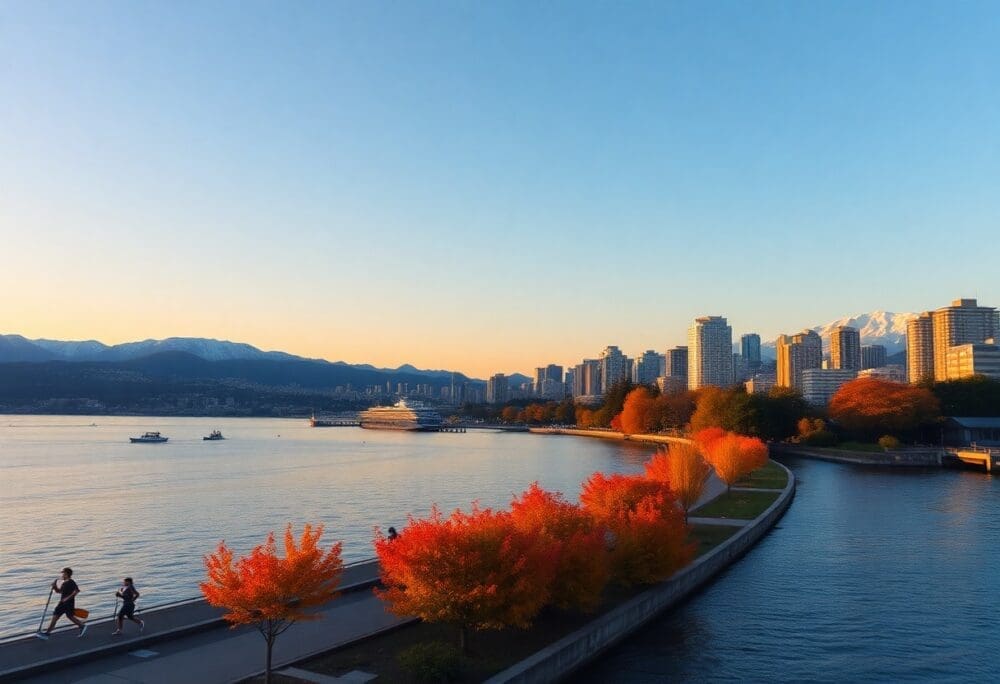
Vancouver boasts a mild oceanic climate, making it a desirable place for outdoor enthusiasts. With its breathtaking mountain ranges and vibrant green spaces, you’ll find endless opportunities for activities like hiking, skiing, and cycling. The city’s proximity to both the ocean and mountains provides unique year-round recreational options that are hard to find elsewhere. If you’re considering a move, explore Moving to Vancouver BC: 10 Reasons to Live … to learn more about why Vancouver could be your ideal home.
Key Takeaways:
- Vancouver’s moderate climate offers mild winters and warm summers, making outdoor activities accessible year-round.
- Proximity to mountains and ocean provides diverse recreational opportunities, from skiing to water sports.
- Strong emphasis on sustainability and green spaces enhances outdoor living quality and promotes environmental awareness.
Climate Diversity
Vancouver’s climate diversity is one of its most appealing features, providing a unique blend of weather patterns that cater to various outdoor pursuits. Positioned between the Pacific Ocean and coastal mountains, you experience a range of microclimates, allowing for both urban and nature-oriented lifestyles. Whether you prefer sun-soaked activities or enjoying the lushness brought by the rain, Vancouver ensures that the environment supports your interests year-round.
Mild Coastal Temperatures
The average temperature in Vancouver remains quite moderate throughout the year, with summer highs averaging around 23°C (73°F) and winter lows generally hovering above freezing. This mildness makes it ideal for outdoor activities, allowing you to enjoy hiking, biking, or beach outings across seasons without extreme weather interruptions.
Temperature Range
| Season | Average Temperature (°C) |
|---|---|
| Winter | 3 – 8 |
| Spring | 8 – 15 |
| Summer | 15 – 23 |
| Fall | 8 – 15 |
Rainfall Patterns and Seasonal Changes
Vancouver receives approximately 1,200 mm of rain annually, with the bulk occurring during the fall and winter months. This consistent rainfall delivers a vibrant green landscape but can influence your outdoor plans. Understanding these patterns allows you to prepare and embrace indoor activities during the heavier months while taking full advantage of the drier summer weather.
The seasonal shifts in rainfall significantly impact your experience in Vancouver. The city typically sees its wettest months from October to March, where rainfall can exceed 200 mm in November alone. This results in a lush environment perfect for hiking and exploring unique ecosystems but may lead to some cancellations or rescheduling of outdoor events. However, spring brings sunnier days that encourage blooming flowers and renewed energy for outdoor adventures, illustrating that adaptability will be key to enjoying Vancouver’s diverse climate.
Outdoor Activities and Lifestyle
Your passion for outdoor activities finds a perfect match in Vancouver’s diverse landscape. With mountains, forests, and ocean at your doorstep, the city encourages an active lifestyle year-round. Explore hiking trails, skiing slopes, and water sports, all while enjoying a mild climate. Discover more about why if Vancouver is the best part of Canada with its milder ….
Year-Round Recreational Opportunities
Vancouver offers an array of recreational activities for every season. In winter, you can ski at nearby Whistler or snowboard at Cypress Mountain. Spring brings blooming gardens perfect for cycling or jogging, while summer invites you to kayak in False Creek. Autumn is ideal for hiking and appreciating stunning fall foliage.
Accessibility to Nature and Parks
You are never far from nature in Vancouver. The city’s urban planning emphasizes green spaces, with over 230 parks covering more than 1,200 hectares. Stanley Park, one of the largest urban parks in North America, features scenic trails, beaches, and lush forests. Accessing nearby natural wonders is effortless, with public transit connecting you to iconic spots like Grouse Mountain and the Capilano Suspension Bridge.
Moreover, accessing nature is simplified by Vancouver’s excellent infrastructure. The Seawall, a 28-kilometer path, offers a stunning route for bikers, walkers, and runners, wrapping around the waterfront. Community parks like Queen Elizabeth and VanDusen Botanical Garden provide peaceful retreats amidst the urban buzz. With easy transportation options and an abundance of local trails, you can enjoy hiking, biking, and other outdoor adventures within minutes of your home.

Environmental Sustainability
Vancouver’s commitment to environmental sustainability is evident through its innovative practices aimed at reducing carbon footprints and enhancing the quality of life for residents. The city has set ambitious goals to become the greenest city in the world by focusing on air quality, waste management, and energy efficiency. By prioritizing public transportation and promoting walkable neighborhoods, you can enjoy a lifestyle that supports a sustainable future while minimizing your environmental impact.
Green Initiatives and Urban Planning
Vancouver’s green initiatives include extensive urban planning strategies that integrate nature into the urban landscape. From the development of eco-districts to the implementation of green building codes, the city encourages the use of sustainable materials, energy-efficient designs, and renewable energy sources. You’ll find numerous parks, green roofs, and community gardens that enhance biodiversity and provide you with spaces for relaxation and recreation, making your living environment much healthier.
Community Engagement in Environmental Conservation
Your involvement in community engagement is vital to Vancouver’s environmental conservation efforts. Initiatives like “Greenest City Action Plan” and various neighborhood sustainability programs invite you to take part in tree planting, recycling drives, and educational workshops, raising awareness about local ecological issues. This active participation not only fosters a sense of community but also empowers you to make a tangible difference in preserving Vancouver’s natural beauty.
Programs encouraging community engagement have seen participation rates soar, with thousands of residents joining forces for conservation initiatives. For instance, the “Adopt-a-Street” program allows you to take responsibility for your neighborhood, promoting litter clean-ups and encouraging others to respect green spaces. Collaborations with local schools also ensure that environmental education becomes part of the curriculum, instilling eco-conscious values in future generations. Engaging with your community in these efforts not only enhances the environment but also strengthens the bonds between residents, creating a united front in the fight against climate change.

Cultural Impact of Climate
The climate of Vancouver profoundly shapes its cultural landscape, influencing everything from artistic expression to communal activities. The temperate weather allows residents to engage more freely with the outdoors, fostering a sense of connection to nature that is reflected in the local art scene, culinary offerings, and community values. The city’s rainy days also inspire resilience and creativity, prompting a sense of unity among residents as they adapt to the elements.
Influence on Local Festivals and Events
The mild climate in Vancouver encourages a vibrant calendar of outdoor festivals and events year-round. Events like the Vancouver International Film Festival and the Vancouver Folk Music Festival thrive in the city’s temperate conditions, attracting locals and tourists alike. Even in winter, celebrations such as the Festival of Lights contribute to the seasonal cheer, highlighting how climate fosters cultural expression through community gatherings.
Outdoor Culture and Community Engagement
The outdoor culture in Vancouver is an integral part of its community engagement, with numerous parks, beaches, and recreational activities readily accessible. Your weekends can be filled with hiking in nearby mountains, kayaking in the harbor, or participating in organized sports leagues, contributing to a physically active and socially engaged populace.
A vast array of community initiatives stems from this outdoor culture, including neighborhood clean-up days and local sports tournaments. For instance, the Stanley Park Pavilion regularly hosts community events with activities that encourage social interaction and environmental stewardship. Engaging in these outdoor pursuits not only strengthens your ties with other community members but also promotes a healthier lifestyle. Group hikes and kayaking excursions enable you to connect with both nature and fellow adventurers, reinforcing the city’s commitment to outdoor living and communal ties. This cultural engagement enriches your experience in Vancouver and fosters a sense of belonging among diverse residents.
Economic Factors
The vibrant economy of Vancouver attracts many, with strong indicators of growth and opportunity evident across various sectors. Key aspects include:
- Diverse job market
- Technology and film industries
- Real estate appreciation
- Tourism growth
The economic landscape ensures a flourishing environment for both businesses and residents.
Real Estate Trends and Market Dynamics
The real estate market in Vancouver has witnessed significant fluctuations, characterized by a high demand and limited supply. As a result, property values have surged, pushing many individuals and families to reconsider their housing options. With a greater number of investors entering the market, condos and single-family homes have become hot commodities, influencing your home-buying decisions.
Impact on Local Businesses and Tourism
Local businesses experience a substantial boost from Vancouver’s thriving tourism industry, which emphasizes the city’s attractiveness as a travel destination. Increasing visitor numbers directly contribute to higher revenues for restaurants, shops, and entertainment venues, creating a vibrant environment for entrepreneurs.
The impact of tourism on local businesses is significant as tourism has seen a consistent annual growth of around 4%. This influx provides job opportunities while enriching the cultural tapestry of the city. Small businesses thrive alongside larger enterprises, with many capitalizing on the tourist demand for unique experiences, local cuisines, and artisan products. You can expect a dynamic interaction between tourism and local commerce, keeping Vancouver’s economy robust and diverse.

Comparisons with Other Canadian Cities
| City | Climate & Outdoor Appeal |
|---|---|
| Vancouver | Mild winters, warm summers, and proximity to mountains and ocean. |
| Toronto | Cold winters, hot summers, urban parks but limited access to nature. |
| Calgary | Harsh winters, hot summers, closer to the Rockies but less coastal access. |
| Halifax | Moderate climate, coastal access, but fewer outdoor activities than Vancouver. |
Unique Positioning of Vancouver
Vancouver sits at a unique intersection of natural beauty and urban convenience. With the Pacific Ocean to the west and the Coast Mountains to the north, your opportunities for outdoor activities are unmatched. This position offers not only stunning scenery but also a climate that’s milder compared to other Canadian cities, allowing for year-round enjoyment of the outdoors.
Advantages Over Other Urban Areas
Vancouver’s blend of urban sophistication and nature-focused lifestyle gives it a distinct advantage. The extensive trail systems, beaches, and parks enable you to escape the hustle of city life easily. With over 230 parks and a commitment to sustainability, outdoor activities here are seamlessly integrated into your daily routine, making it a premier choice for any outdoor enthusiast.
In addition to its scenic beauty, you benefit from Vancouver’s highly active community culture, which promotes outdoor sports and wellness. Activities like hiking, skiing, and cycling are accessible and widely supported through local groups and facilities. Furthermore, the city prioritizes sustainable development, enhancing your lifestyle options while preserving the natural environment, which is often overlooked in other urban settings. Whether engaging in outdoor sports or simply enjoying the views, Vancouver positions you to take full advantage of nature every day.
To wrap up
Presently, if you consider relocating, the climate and outdoor opportunities in Vancouver set it apart from other cities. With its mild, temperate climate, you can enjoy an abundance of outdoor activities year-round, from hiking in the mountains to kayaking in the Pacific. The stunning natural landscapes, combined with urban amenities, create a lifestyle that prioritizes both health and leisure. By choosing Vancouver, you’re enhancing your daily experiences with access to breathtaking scenery and various recreational pursuits, making it an attractive destination for outdoor enthusiasts and those seeking a balanced life.
FAQ
Q: What climate characteristics make Vancouver unique?
A: Vancouver features a mild, temperate climate characterized by warm, dry summers and cool, wet winters. Its coastal location moderates temperatures, while the surrounding mountains create a rain shadow effect, resulting in lower precipitation levels compared to other coastal cities in Canada.
Q: How do outdoor activities in Vancouver differ from other cities?
A: Vancouver offers a diverse range of outdoor activities year-round, including hiking in nearby mountains, skiing and snowboarding in winter, and water sports like kayaking and paddleboarding in summer. The city’s proximity to both ocean and mountains provides residents access to a unique blend of natural experiences.
Q: What environmental factors contribute to Vancouver’s outdoor lifestyle?
A: The city’s commitment to sustainability and outdoor recreation is supported by its abundant green spaces, parks, and trails. Vancouver’s clean air quality and focus on preserving natural habitats enhance the outdoor lifestyle, making it easier for residents to engage in healthy, active living throughout the year.