




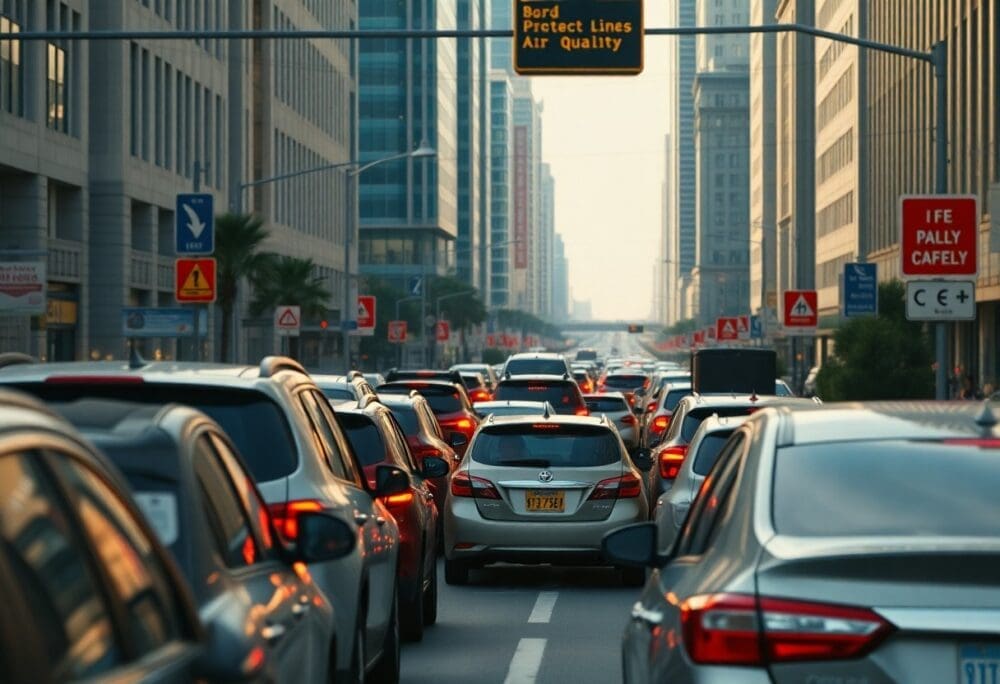
Congestion significantly impacts your daily life in urban areas, shaping decisions about where to live. The constant flow of vehicles can lead to increased stress, longer commute times, and a potential drop in overall quality of life. You may find your days consumed by traffic jams, making it challenging to balance work and leisure. While urban areas often provide better job opportunities and access to amenities, the toll of congestion may outweigh these benefits, prompting you to reconsider if city living truly suits your lifestyle.
Key Takeaways:
- Traffic congestion significantly impacts quality of life in urban areas, leading to increased commute times and stress.
- High levels of congestion can deter potential residents, influencing urban population growth and demographic changes.
- Effective urban planning and transportation solutions are crucial to mitigate traffic issues and attract new residents.
Understanding Traffic and Congestion
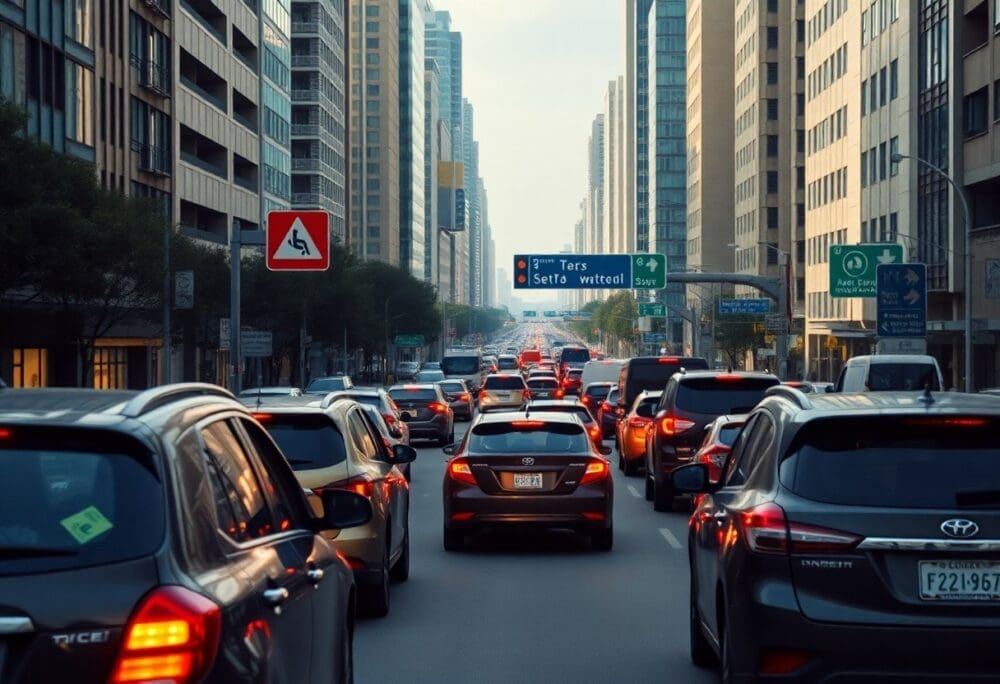
Traffic and congestion are pervasive issues in urban environments, drastically affecting daily commutes and overall quality of life. As the population in cities grows, so do the number of vehicles on the road, leading to heightened congestion levels. You may find yourself spending valuable time in traffic, resulting in irritation, stress, and lost productivity.
Definition and Overview
Traffic refers to the movement of vehicles and pedestrians on roadways, while congestion occurs when demand exceeds road capacity, causing slow or halted flow. In urban areas, this often translates to prolonged travel times and increased frustration for commuters. You’ll likely experience delays as congestion compounds during peak hours and events.
Historical Context in Urban Areas
Historically, urban areas have faced challenges with traffic congestion as populations expanded and vehicle ownership increased. The rise of automobile use in the mid-20th century marked a significant shift in city planning, often prioritizing car-centric infrastructure. For instance, cities like Los Angeles adopted freeway systems to accommodate growing traffic, inadvertently creating sprawling suburbs that encouraged further vehicle dependency, thus exacerbating congestion.
In the 1960s, urban planners began to recognize the implications of unchecked vehicle growth, leading to initiatives aimed at promoting public transportation and reducing car reliance. For example, cities like New York strengthened their subway systems and Los Angeles explored light rail options. Despite these efforts, the ongoing allure of personal vehicles persists, keeping traffic congestion a largely unsolved issue. You may even notice that despite increased investment in public transit, the sheer volume of vehicles on the road remains a formidable challenge for many urban areas today.
Impact of Traffic on Urban Lifestyle
Traffic congestion fundamentally alters your urban experience, affecting not only transportation but also your overall lifestyle. You may find yourself spending hours in your vehicle, which leads to fewer free hours for relaxation, hobbies, or socializing. The incessant noise and air pollution from idling vehicles can contribute to stress and health issues, undermining the benefits that city living may offer.
Commuting Challenges
Your daily commute can become a source of frustration due to heavy congestion. In major cities, average commute times can exceed 30 minutes, with delays often adding to the unpredictability of your arrival. This inefficiency creates a ripple effect that disrupts your schedule and diminishes productivity.
Quality of Life Considerations
The impact of traffic on your quality of life is multifaceted. With prolonged time spent in transit, you may experience increased stress levels and reduced time for personal interests and family. Studies indicate that longer commute times can correlate with higher dissatisfaction in urban living, making you reevaluate whether the conveniences of city life outweigh the disadvantages.
Moreover, traffic congestion can lead to a decline in mental well-being. A survey conducted in several major cities revealed that over 60% of commuters felt that lengthy commutes negatively influenced their mood and relationships. In urban relationships, reduced time spent with loved ones often leads to feelings of isolation, while chronic stress may heighten anxiety and impact your physical health. As you weigh the benefits of living in a vibrant urban area, the implications of traffic on your daily life must be a pivotal consideration in your decision-making process.

Economic Implications of Traffic Congestion
Traffic congestion significantly impacts the economy, creating inefficiencies that can cost cities millions each year. Delays in transportation hinder the movement of goods and services, pushing operational costs higher for businesses. With an annual cost estimate of over $166 billion in the U.S., these inefficiencies detract from economic growth, leading to reduced overall productivity and increased prices for consumers.
Effect on Local Businesses
Local businesses suffer greatly from traffic congestion due to restricted customer access and longer delivery times. As potential customers encounter delays, their willingness to shop diminishes, ultimately impacting sales revenue. Furthermore, businesses are forced to adjust their operational hours and strategies, leading to increased labor costs and inefficient resource allocation.
Cost of Commuting for Residents
The financial burden of commuting in urban areas can be overwhelming. Factors like increased fuel expenses, vehicle maintenance, and public transportation costs contribute to a considerable monthly expenditure. With the average commute time in major cities often exceeding 30 minutes, you may find yourself spending valuable hours and resources just to get to work, which can also impede your overall quality of life.
In cities like Los Angeles, commuters spend an average of 119 hours annually stuck in traffic, translating to significant lost wages and increased transportation costs. For example, if you use public transport, monthly passes can exceed $100, adding to your financial strain. Moreover, the time away from family and leisure activities compounds the negative impact of costly commutes. Ultimately, these expenses weigh heavily on your budget, making urban living less appealing when compared to more spacious, accessible environments.

Psychological Effects of Traffic and Congestion
Traffic congestion impacts your mental well-being, contributing to increased anxiety and frustration. Studies highlight that prolonged exposure to traffic can lead to chronic stress, which diminishes overall quality of life. Research reveals the connection between congestion and mental health issues, confirming that time spent in traffic correlates with elevated levels of psychological strain. For further insights, refer to On the relationship between congestion and road safety in ….
Stress and Mental Health
Experiencing heavy traffic regularly can elevate your stress levels, leading to anxiety disorders and other mental health challenges. Commuting often consumes precious time and fuels feelings of helplessness, significantly detracting from your emotional stability. Research indicates that urban dwellers facing continuous congestion have a higher likelihood of developing mental health issues compared to those living in less congested areas.
Impact on Community Engagement
Traffic congestion not only isolates you but also diminishes your capacity to engage with your community effectively. High levels of stress and frustration from daily commutes can lead to reduced participation in local events or social gatherings. As your social interactions wane, the overall sense of community suffers, leading to fragmented neighborhoods where meaningful connections are harder to establish.
The challenge of traffic congestion interferes with your willingness to explore local amenities, attend community meetings, or participate in recreational activities. As commuting takes precedence, you may prioritize convenience over social involvement, which limits opportunities for building relationships and fostering a vibrant community environment. Moreover, this disengagement can lead to a lack of support for local initiatives, further weakening community bonds.
Alternatives to Urban Living
If urban congestion deters you from city life, exploring alternatives becomes necessary. Suburban areas, often characterized by lower population density and quieter environments, provide a balance between urban amenities and more spacious living. For insights on the impacts of traffic congestion in cities, refer to Is traffic congestion a problem that affects all cities?
Suburban vs. Urban Comparison
Comparison Table
| Feature | Urban |
| Population Density | High |
| Commute Times | Long |
| Cost of Living | High |
| Space | Limited |
| Public Amenities | Plentiful |
Remote Work and Its Influence
Remote work has significantly changed your living choices. The flexibility to work from anywhere allows you to consider locations with lower costs and better quality of life. Many people have chosen suburbs or rural areas, escaping the hustle and bustle of urban centers while still maintaining career opportunities through technology. This shift has increased demand for housing outside cities, creating vibrant communities where you can enjoy nature, peace, and a more relaxed pace.
Future Trends in Urban Mobility
The landscape of urban mobility is evolving rapidly, driven by technological advancements, changing consumer preferences, and growing environmental concerns. Smart public transportation systems, autonomous vehicles, and increased investment in cycling and pedestrian infrastructure are paving the way for more efficient and sustainable urban travel. As cities grapple with traffic congestion, embracing these innovative solutions is key to improving mobility and enhancing the overall quality of urban life.
Innovations in Transportation
Innovations in transportation are reshaping how you navigate urban spaces. Electric scooters and bike-sharing programs are growing in popularity, providing flexible, eco-friendly alternatives to traditional commuting. Ride-hailing services leverage technology to connect you with nearby drivers, reducing the number of vehicles on the road. Autonomous vehicles promise to revolutionize travel, optimizing traffic flows and minimizing congestion as they gain widespread adoption.
Urban Planning and Policy Changes
Urban planning and policy changes are crucial for fostering effective mobility solutions. These changes aim to integrate diverse transportation modes, encouraging the use of public transit, walking, and cycling while reducing reliance on personal vehicles. Strong policies, such as congestion pricing and Zoning for mixed-use developments, can significantly decrease traffic loads and promote sustainable urban growth.
Effective urban planning emphasizes mixed-use developments that integrate residential, commercial, and recreational spaces, reducing the need for lengthy commutes. Cities like Amsterdam and Copenhagen have successfully implemented policies that promote cycling, pedestrian-friendly areas, and efficient public transport. Investing in green infrastructure not only mitigates congestion but also enhances air quality and livability, ensuring that urban environments become more accessible and enjoyable for everyone. By adapting these principles, cities can create sustainable mobility systems that meet your needs and the demands of a growing urban population.
To wrap up
To wrap up, you should consider that traffic and congestion are significant factors influencing your decision to move to urban areas. These issues can affect your daily commute, access to amenities, and overall quality of life. If you are contemplating urban relocation, it’s vital to analyze the extent of congestion and how cities are adapting to these challenges. Learn more about this topic in detail through the insights on Urban Congestion in 2024 & Beyond.
FAQ
Q: What impact does traffic congestion have on quality of life in urban areas?
A: Traffic congestion can significantly degrade quality of life by increasing travel times, causing stress, and reducing accessibility to vital services. This can lead to frustration and decrease overall satisfaction with living in urban environments.
Q: Are there alternatives to living in congested urban areas that offer better mobility?
A: Yes, many suburban and rural areas offer better mobility with less traffic congestion, improved air quality, and often a stronger sense of community. These alternatives can provide a more relaxed lifestyle while still offering access to urban amenities.
Q: How do city planners address traffic and congestion issues in urban settings?
A: City planners address traffic and congestion through various strategies, including improving public transportation systems, creating bike lanes, and implementing smart traffic management systems. These efforts aim to enhance mobility and reduce congestion over time.