




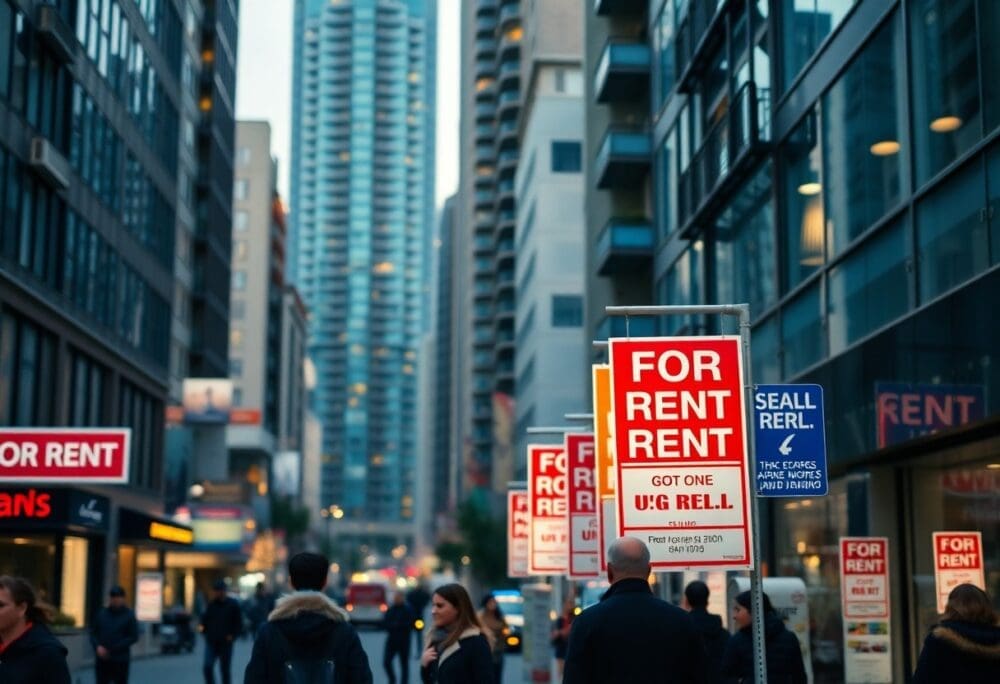
It’s no secret that rising costs in Vancouver significantly impact your decision to move. With housing prices skyrocketing and the cost of living becoming increasingly burdensome, you may find that your budget stretches thinner than expected. Additionally, access to imperative services can dwindle as financial pressures mount. If you’re uncertain, consider exploring the 12 Reasons you will regret moving to Vancouver for more insights into the realities of relocation.
Key Takeaways:
- Rising housing prices make moving unaffordable for many residents.
- Increased cost of living impacts overall financial stability, discouraging relocation.
- Limited availability of affordable housing options exacerbates the issue for potential movers.

The Current Housing Market in Vancouver
The housing market in Vancouver remains one of the most expensive in Canada, with prices continuing to climb despite economic fluctuations. As you consider relocating, it’s vital to understand the local conditions that could affect your decisions. The market is characterized by limited inventory and high demand, leading to fierce competition for available properties.
Overview of Housing Prices
As of late 2023, the benchmark price for a single-family home in Vancouver hovers around $1.8 million, while condos are averaging $760,000. The disparity in pricing between different neighborhoods can be significant, so your budget will largely dictate your options in this competitive environment.
Market Trends and Predictions
Current trends indicate a stabilizing market with slight fluctuations expected. Experts predict a 3-5% increase in housing prices over the next year, driven by persistent low inventory and population growth. With interest rates remaining high, the market may experience a slowdown in buyer activity, impacting future pricing dynamics.
As you navigate this landscape, it’s vital to keep an eye on emerging trends such as the growing popularity of suburban areas. Neighborhoods like Surrey and Langley are experiencing greater interest due to affordability, potentially shifting demand away from core locations. Additionally, the rental market remains robust, with rental prices also on the rise, indicating that even if you choose not to buy now, your options for affordable living could be similarly constrained in the near future.
Cost of Living Factors
The cost of living in Vancouver is driven by several factors that contribute to its high expenses. Notably, the prices of housing, utilities, and transportation are among the most significant contributors. Here are key aspects to consider:
- Housing: Vancouver has one of the highest average home prices in Canada.
- Utilities: Monthly utility costs can exceed what you may expect.
- Transportation: Public transit fares and vehicle expenses add to your budget.
After considering these expenses, you may find that staying put in your current location makes financial sense.
Comparison with Other Major Cities
When comparing Vancouver to other major cities, it’s clear that the expense levels warrant attention.
Comparison of Living Costs
| City | Cost of Living Index |
|---|---|
| Vancouver | 100 |
| Toronto | 107 |
| Montreal | 85 |
Impact of Inflation
Inflation in Vancouver plays a significant role in your overall expenses. With a steady rise in the consumer price index, daily necessities become more costly, impacting food, gasoline, and other necessary goods. The rapid increase in prices makes it challenging for you to maintain your standard of living.
Over the past few years, Vancouver has experienced inflation rates above the national average, leading to a sharp increase in typical expenses. The climb in prices for housing and services has put additional pressure on your budget. As inflation continues to rise, it becomes even more important to evaluate your financial situation and determine whether relocating makes economic sense. By understanding these trends, you can make more informed decisions regarding your future in the city.

Economic Pressures on Residents
The economic landscape in Vancouver poses substantial challenges for residents navigating rising costs. With the persistent climb in property prices and living expenses, many individuals find themselves stretched thin financially. This situation often forces you to reconsider your living arrangements, workplace choices, and overall lifestyle, creating a cycle of economic strain that is hard to escape.
Wages versus Living Costs
Your income likely pales in comparison to the rapidly escalating cost of living in the city. In Vancouver, the average salary has not kept pace with inflation, making everyday expenses increasingly burdensome. As housing costs soar, many residents struggle to allocate sufficient funds for necessarys like groceries and utilities, further aggravating financial stress.
Job Market and Employment Stability
The job market in Vancouver demonstrates volatility, which can dampen your financial security. Key sectors, like technology and hospitality, often fluctuate based on economic cycles, leaving you vulnerable to job losses or reduced hours. This unpredictability makes it difficult to plan your finances, as one unexpected layoff could significantly disrupt your ability to manage rising costs.
For example, Vancouver’s technology sector saw substantial growth recently, yet this expansion has not created enough stable jobs for the influx of graduates and new professionals. As many entry-level positions offer low wages, you might find your expenses outgrowing your salary too quickly. Additionally, the hospitality industry, while a major employer, frequently experiences seasonal layoffs. This means that reliance on these sectors can leave you exposed to income instability, particularly when you are already facing high living expenses.
Transportation and Commute Costs
Your decisions regarding transportation play a significant role in your overall cost of living in Vancouver. With rising prices, both public transit and vehicle ownership can quickly add considerable monthly expenses, leaving you to weigh your commuting options carefully as you consider moving.
Public Transit Expenses
The cost of public transit in Vancouver can stack up quickly. A monthly transit pass is around $98, and if you frequently use the SkyTrain or buses, your expenses can increase even further. While it offers a relatively affordable option compared to vehicle ownership, regular fare hikes can strain your budget.
Cost of Vehicle Ownership
Vehicle ownership in Vancouver is a significant financial commitment. From fuel and insurance costs to maintenance and parking fees, the expenses can accumulate rapidly. You may face insurance rates averaging around $1,500 annually, alongside fluctuating gas prices and potential parking fees that can exceed $300 monthly in desirable neighborhoods.
Insurance costs can vary widely based on factors like your driving history and the type of vehicle, making it necessary to shop around for the best rates. Fuel prices have also seen a steady increase, with averages hovering above $1.80 per liter in recent months. Factor in the maintenance, repairs, and parking fees that may apply, especially in busy areas, and the financial burden of owning a car in Vancouver becomes clearer. Opting for a vehicle may initially seem convenient, but comprehensive budgeting reveals it could potentially add hundreds of dollars to your monthly expenses.

Neighborhood and Community Considerations
As you weigh your decision to move, the neighborhood and community you choose can significantly impact your daily life and overall satisfaction. Each area in Vancouver comes with its unique vibe, social dynamics, and community resources. These factors can determine not only your sense of belonging but also the availability of vital services and a supportive network. Understanding these nuances may help you make an informed choice about whether the potential benefits of relocation outweigh the challenges of rising costs.
Amenities and Accessibility
When considering a move, take a close look at amenities and accessibility in your prospective neighborhood. Proximity to public transit, grocery stores, parks, and recreational facilities can greatly enhance your lifestyle. For instance, areas like Kitsilano offer numerous beaches and cafes, while others like Downtown provide vibrant nightlife and cultural experiences. However, increased demand for these amenities often leads to higher rental prices, making them less affordable.
Safety and Quality of Life
Your feeling of safety and quality of life is paramount when choosing a neighborhood. Areas with low crime rates typically correlate with higher property values and rental prices. Vancouver boasts many safe communities, but the costs associated with them may deter potential movers. It’s vital to compare crime statistics and community resources in various neighborhoods to ensure you’re making the right choice for your lifestyle.
For example, neighborhoods like West Point Grey and Shaughnessy are known for their low crime rates and beautiful surroundings. However, they also carry premium price tags. In contrast, areas with more affordable housing options, such as East Vancouver, may experience higher crime rates or fewer amenities. By closely evaluating safety statistics, you can find a balance between budget and peace of mind, tailoring your living situation to best fit your expectations.
Alternatives to Moving
If moving seems financially daunting, consider alternatives that may enhance your current living situation without the upheaval of relocation. Engaging in home improvement projects or exploring different areas can provide fresh experiences without the additional costs associated with a new home. Seeking smaller lifestyle changes can also help you adapt to the financial environment without sacrificing comfort.
Renovating vs. Relocating
You may find that renovating your current space offers a cost-effective solution compared to relocating. Home improvements such as kitchen upgrades or additional living space can significantly enhance your quality of life while increasing your property value. By investing in renovations, you avoid the stress of moving and the hefty fees associated with buying or renting elsewhere.
Exploring Other Regions
As you consider alternatives, exploring other regions can reveal exciting opportunities. Areas just outside Vancouver, such as Burnaby, New Westminster, or Tsawwassen, often provide more affordable options while still allowing you to commute into the city for work or leisure. These suburbs often feature a blend of community amenities and green spaces, making them appealing for families and individuals alike.
For instance, areas like Maple Ridge and Pitt Meadows are gaining popularity due to their scenic landscapes and lower housing costs. While you may live slightly farther from downtown Vancouver, the benefits can outweigh the commute. Houses in these regions can be 10-30% less expensive than comparable properties within the city. Furthermore, the lifestyle options in these communities—like access to parks and outdoor activities—may contribute positively to your overall well-being, providing a more tranquil environment without sacrificing connection to urban amenities.
To wrap up
On the whole, rising costs are a significant deterrent for you when considering a move to Vancouver. The high prices of housing, utilities, and everyday expenses can strain your budget and limit lifestyle options. You must weigh these financial challenges against potential benefits. For more insights, explore the Top 5 Pros and Cons of Moving to Vancouver, BC in 2025 to make an informed decision.
FAQ
Q: Why is the cost of living in Vancouver a barrier for potential movers?
A: The cost of living in Vancouver is significantly higher than in many other Canadian cities, with housing being the largest expense. Rent and property prices have skyrocketed, making affordable options scarce for newcomers. This financial strain often discourages people from relocating to the city.
Q: How do transportation costs affect the decision to move to Vancouver?
A: Transportation costs in Vancouver are another contributing factor. The city’s public transit system, while robust, can be expensive over time. Car ownership adds additional expenses, including insurance, fuel, and maintenance. These increased costs can deter individuals and families from considering a move to the city.
Q: What impact do rising food and utility costs have on moving decisions in Vancouver?
A: Food and utility costs in Vancouver have also risen significantly. Grocery prices are higher than the national average, and utility bills can be steep due to the city’s climate. This combination puts additional financial pressure on individuals and families, leading many to rethink the feasibility of moving to Vancouver.