




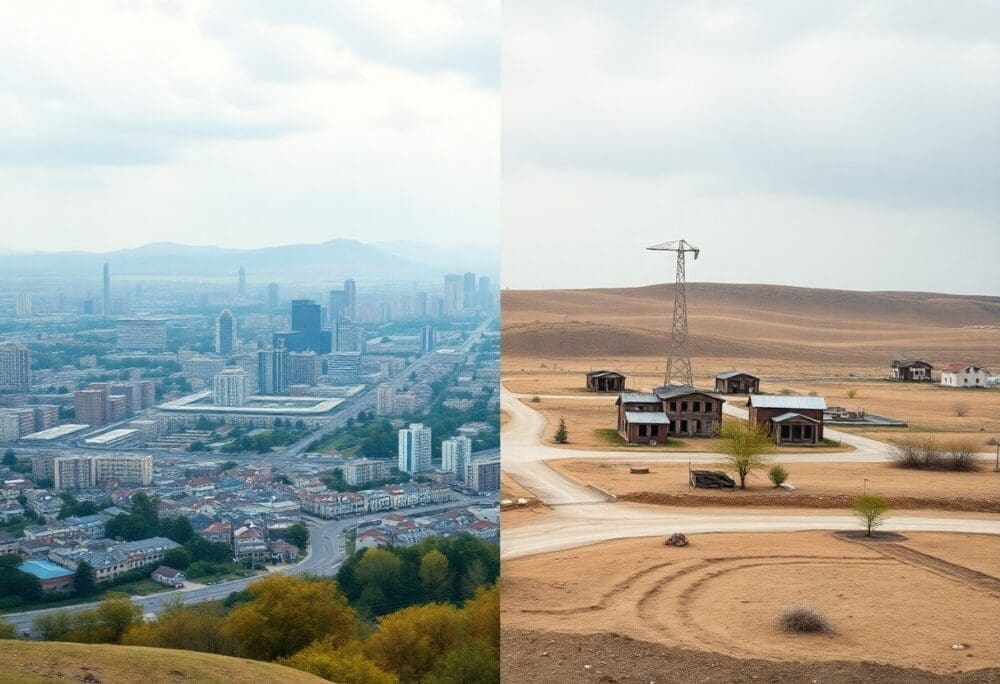
Contentment can be significantly impacted by geographic volatility, which refers to frequent changes in your living environment. This instability often leads to inconsistent social connections and a lack of community support, both necessary for your long-term happiness. Moreover, constant relocation can disrupt your sense of belonging and personal identity, creating anxiety and uncertainty. Understanding these effects is vital for fostering a more stable and fulfilling life, as maintaining consistent relationships and a familiar environment are key components of your overall well-being.
Key Takeaways:
- Frequent geographic changes can disrupt social connections and support networks, leading to feelings of isolation.
- Constant relocation may hinder the development of a stable identity, affecting long-term happiness and satisfaction.
- Insecurity and anxiety associated with adapting to new environments can reduce overall contentment over time.
Understanding Geographic Volatility
Geographic volatility involves frequent relocations and instability in one’s living environment, which can have profound effects on personal contentment. This phenomenon can stem from various factors such as economic shifts, job opportunities, or natural disasters. Each move significantly impacts your connections, sense of belonging, and overall psychological well-being, often contributing to a cycle of unease and dissatisfaction.
Definition and Examples
Geographic volatility refers to the unpredictable changes in locations where individuals or families reside. For instance, relocating for a job, moving due to housing market fluctuations, or fleeing from natural disasters represent real-life examples. These shifts can disrupt established routines and community ties, leaving you feeling unanchored and disconnected.
Historical Context
Historically, geographic volatility has shaped societies depending on economic, political, and environmental factors. Industrialization in the 19th century spurred mass migrations, while events like the Great Depression led to widespread displacement. In recent years, climate change has intensified risks of natural disasters, forcing many to relocate frequently, thus continuously affecting their long-term happiness.
Understanding the historical context of geographic volatility reveals its persistent role in human societies. For example, during the Dust Bowl of the 1930s, an estimated 2.5 million people were displaced from their homes in the U.S., highlighting how environmental crises can lead to widespread instability. Similarly, today’s urbanization trends show that nearly 55% of the global population resides in urban areas, increasing the likelihood of frequent relocations due to economic opportunities and housing shortages. Such patterns illustrate that geographic volatility is not a new phenomenon; rather, it’s a recurring challenge that consistently impacts your contentment and sense of stability.
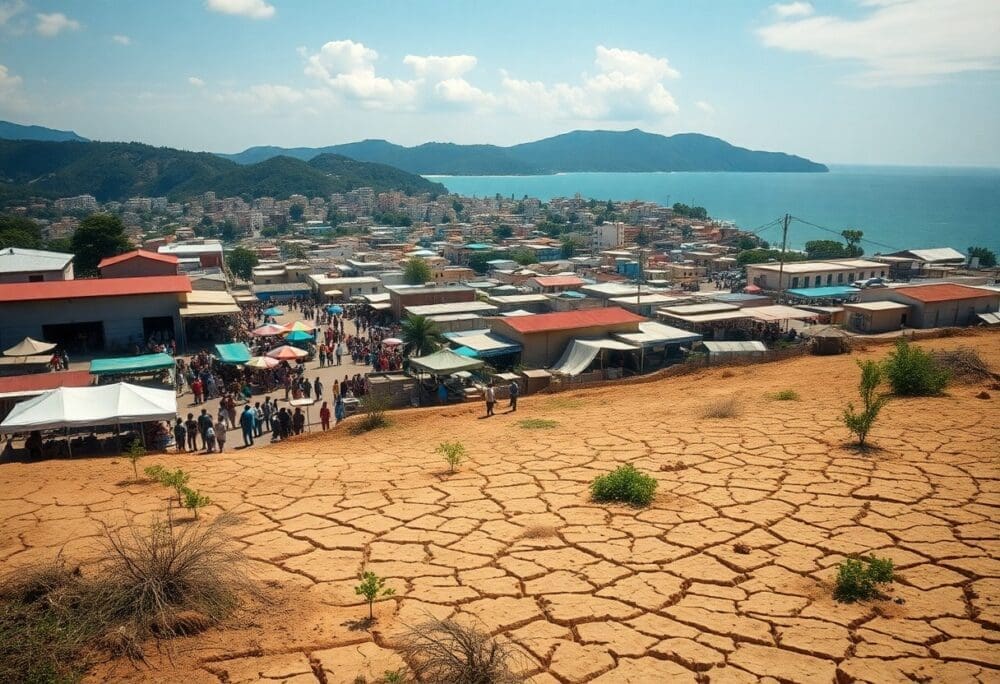
The Connection Between Geography and Happiness
Your physical location significantly influences your sense of well-being. Studies reveal that areas with strong community engagement and access to nature can enhance your happiness levels. Conversely, regions plagued by crime or economic hardship often correlate with lower levels of contentment. This connection underscores how geography not only shapes daily experiences but also your overall happiness trajectory.
Cultural Influences on Contentment
Culture plays a vital role in determining your contentment, affecting values, norms, and aspirations. Different societies prioritize various aspects of life, from family and community to individual achievements. In cultures where collectivism is emphasized, your sense of belonging and interdependence often leads to greater happiness. Engaging with and understanding these cultural contexts can help you navigate and enhance your own happiness.
Economic Factors at Play
Your economic environment significantly impacts contentment, with stability playing a pivotal role in fostering happiness. Regions with strong job markets, manageable cost of living, and accessible services often see higher satisfaction rates. Economic disparities can create stress, impacting mental health and overall life satisfaction. Well-being is invariably linked to financial security, highlighting the importance of economic factors in your happiness equation.
- economic environment
- financial security
- job markets
- cost of living
- life satisfaction
- Knowing your local economic conditions can help you navigate your own happiness.
Your economic environment not only dictates access to resources but also influences social engagement. A flourishing economy fosters community initiatives, local events, and support networks that can enhance your sense of belonging. In contrast, areas facing economic decline may show increased rates of anxiety and depression, underscoring how economic health directly correlates with your emotional state. Addressing economic issues at a community level can help elevate overall satisfaction and boost resilience among residents.
- community initiatives
- social engagement
- anxiety
- depression
- emotional state
- Knowing how economic dynamics affect your community can empower you to seek change.
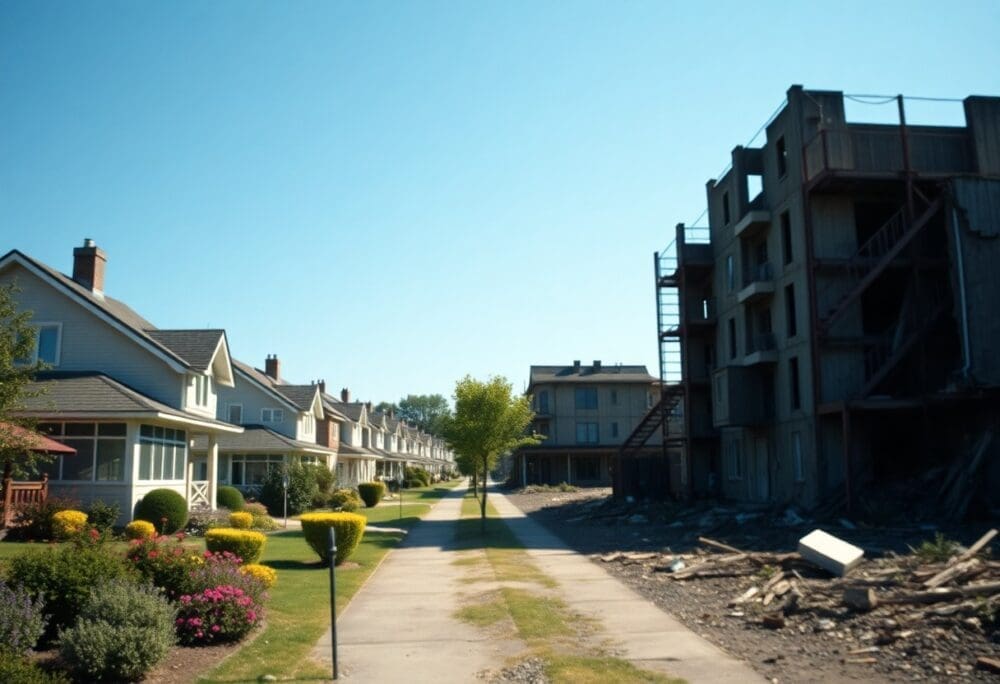
The Role of Stability in Long-Term Well-Being
Stability plays a fundamental role in enhancing your long-term well-being. When your environment remains consistent, it fosters a sense of security, allowing you to invest in relationships, pursue goals, and cultivate emotional resilience. Frequent upheavals disrupt routines and create stress, undermining your ability to form lasting connections and experiences, which are crucial for a fulfilled life. Studies show that individuals in stable environments report higher levels of happiness and lower levels of anxiety, illustrating the profound impact of stability on your overall quality of life.
Psychological Implications
Frequent geographic volatility can significantly affect your psychological state, leading to increased anxiety and feelings of insecurity. This instability makes it difficult to establish a sense of belonging and influences your emotional well-being. Long-term exposure to uncertainty can result in chronic stress, reducing your capacity for joy and fulfillment. Consequently, you may struggle to form deep connections, as the ever-changing landscape disrupts your emotional investments and commitment.
Impact on Community Cohesion
Your community’s cohesion is profoundly affected by geographic volatility, as these disruptions hinder community ties and collaborative efforts. When individuals frequently relocate, they often lack the time to engage meaningfully with their neighbors, leading to a breakdown in social networks. Low levels of community cohesion can result in increased isolation and reduced access to social support, ultimately jeopardizing the overall mental health of residents. As trust and connection diminish, the potential for collective action and mutual assistance dwindles.
This decrease in community cohesion not only impacts individual well-being but also affects the community’s resilience as a whole. For instance, a study in urban areas revealed that communities with higher stability had lower crime rates and better health outcomes, attributing these successes to stronger social bonds. Your participation in local events, shared initiatives, and support systems thrives under stable conditions. Conversely, areas with high turnover or frequent demographic changes see limited engagement, further perpetuating isolation and discord among residents. Over time, this erosion of community can lead to greater societal fragmentation, making it harder to navigate challenges collaboratively.
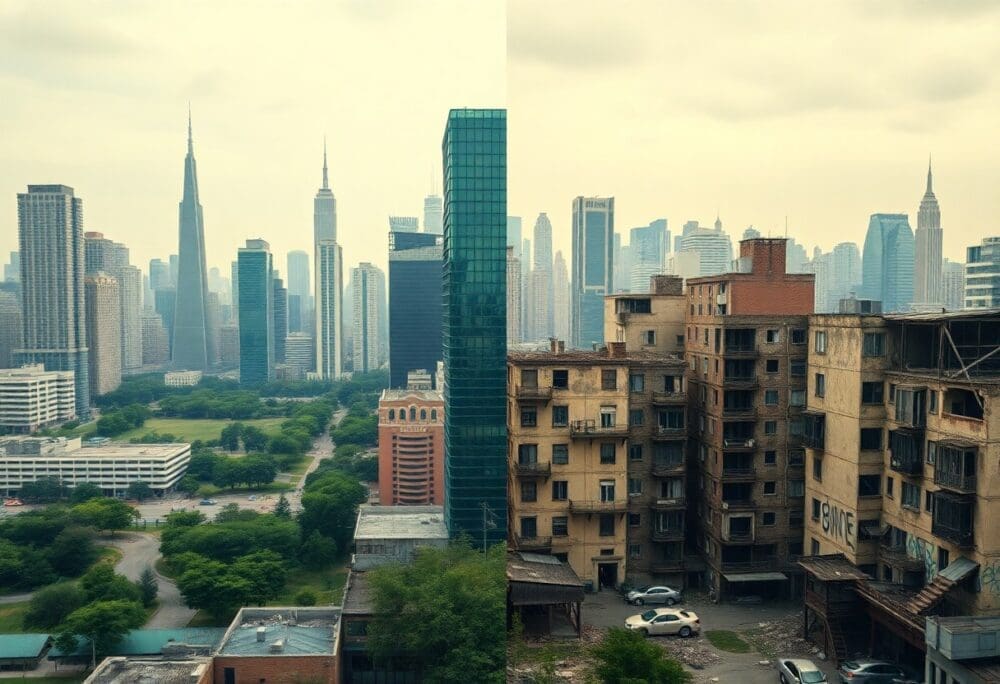
Case Studies of Geographic Volatility
- Detroit, Michigan: From 1950 to 2010, population declined by 61% due to economic shifts and job losses.
- California Wildfires: An estimated 80,000 residents displaced annually due to natural disasters, affecting housing stability.
- Pennsylvania Coal Towns: Once thriving, now over 30% of residents live below the poverty line due to industry decline.
- New York City: Average rent increased by 30% over the past decade, leading to widespread gentrification and displacement.
- New Orleans: Post-Hurricane Katrina, population decreased by 50%, showcasing vulnerability to geographic volatility.
Urban vs. Rural Disparities
You may find significant disparities in stability between urban and rural locations. Urban areas often face rapid economic changes and housing volatility, leading to stress and discontent. In contrast, rural areas might experience slower change but can suffer from resource scarcity and job limitations. This divergence impacts your overall well-being, making it crucial to consider where you reside.
Global Perspectives
Considering global perspectives on geographic volatility reveals varied impacts on well-being across nations. Canada and Scandinavia exhibit high levels of civic engagement and stability despite geographical challenges. In contrast, regions like Sub-Saharan Africa experience ongoing instability from political conflict and natural disasters, significantly affecting long-term contentment. Your understanding of these differences can enhance awareness of how geographic factors shape experiences worldwide.
In analyzing global perspectives, factors such as economic stability, governance, and environmental challenges vary greatly. For example, countries with robust safety nets and inclusive policies tend to foster contentment even under adverse geographic conditions. Conversely, nations facing crisis gravitate toward decreased happiness, illustrating the powerful role of geographic volatility on personal well-being across diverse contexts.
Coping Strategies for Individuals and Communities
Effective coping strategies are vital in managing the impacts of geographic volatility. Individuals can leverage social networks and community programs to build connections and support systems. Engaging in local activities fosters a sense of belonging and stability. Initiatives aimed at promoting mental health awareness and resilience can mitigate the negative impacts of stressors attributed to geographic changes. Refer to The Geography of Happiness: Connecting Twitter Sentiment … for insights on enhancing community sentiment.
Building Resilience
To cultivate resilience, focus on developing adaptive skills and a positive mindset. Engaging in mindfulness practices can help you manage anxiety and strengthen emotional stability. Forming connections with community members enhances your ability to respond positively to change. Building practical skills, such as financial literacy and job readiness, will also empower you to navigate uncertain environments more effectively.
Policy Recommendations
Advocating for policies that promote economic development, education, and mental health resources is vital. Governments should invest in community-building initiatives and safe spaces that encourage social interactions. Providing financial resources for local nonprofits can enhance programming tailored to support individuals and families facing geographic volatility. Expanding access to mental health services and fostering collaborations between local organizations can produce targeted interventions that bolster community well-being.
Such policy measures should prioritize inclusivity and consider the unique needs of diverse populations. For example, programs that support job training and mental health counseling can significantly reduce the detrimental effects of geographic volatility. Developing comprehensive strategies that encompass education, economic stability, and mental health awareness will create a framework for communities to thrive amid change, ultimately boosting long-term contentment.
Future Implications of Geographic Changes
Your understanding of geographic volatility’s effects can shape responses to future implications. As regions undergo transformations due to various factors, Geographies of Loneliness: Understanding the Spatiality of … will evolve, impacting social cohesion and mental health. The rising trend of migration may reflect shifting climates, economies, and geopolitical landscapes, thus redefining community structures globally.
Climate Change and Migration
Climate change is prompting significant migration patterns, as people flee areas severely affected by rising sea levels and extreme weather. Vulnerable populations face displacement, while those seeking opportunities in more stable regions may encounter social tensions, exacerbating feelings of isolation and instability in new locales.
Technological Advancements
Technological advancements are reshaping how you interact with your environment and each other. Increased connectivity enables remote work and virtual communities, allowing some to maintain relationships despite physical relocations. However, this shift can lead to a reliance on technology that may not address the deeper emotional needs of human connection, contributing to a sense of detachment from your immediate surroundings.
As innovations in communication and transport evolve, they foster a paradoxical situation. While technology offers tools for engagement, it can simultaneously deepen feelings of disconnection. Studies suggest that frequent online interactions may not fulfill the same emotional needs as face-to-face connections, making you susceptible to loneliness despite being ‘connected’ technologically. Embracing a balance between virtual and in-person interactions becomes important for sustaining well-being amidst rapid geographic changes.
Conclusion
Drawing together the insights discussed, geographic volatility can significantly weaken your long-term contentment by creating uncertainty and instability in your life. Frequent relocations or shifts in your environment may disrupt your routines, relationships, and sense of belonging, making it challenging to cultivate lasting happiness. Additionally, the constant adaptation required in unpredictable settings can lead to stress, diminishing your overall well-being. By acknowledging these impacts, you can better navigate your choices and prioritize creating a stable foundation that promotes sustained satisfaction.
FAQ
Q: What is geographic volatility and how does it affect individuals?
A: Geographic volatility refers to fluctuations in environmental, economic, or social factors in a specific area. These changes can lead to instability in employment, housing, and community dynamics, which may disrupt an individual’s sense of security and overall well-being.
Q: In what ways can geographic volatility contribute to decreased long-term contentment?
A: Geographic volatility can lead to uncertainty in job markets, frequent relocations, and changes in community support systems. This instability creates stress and anxiety, undermining individuals’ ability to establish lasting relationships and a stable lifestyle, which are key components of long-term happiness.
Q: How can communities address geographic volatility to enhance long-term contentment for residents?
A: Communities can implement policies that promote economic stability, develop affordable housing, and enhance social services. Creating strong local networks and opportunities for engagement can mitigate the effects of volatility, helping residents build resilience and stronger connections for long-term fulfillment.