




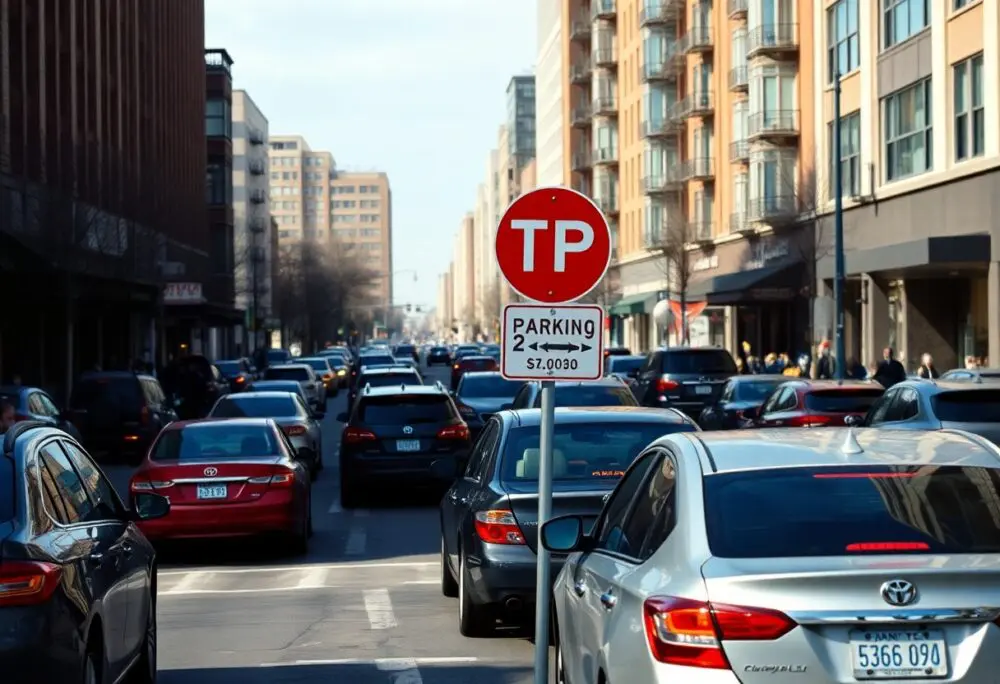
Many potential movers to downtown areas grapple with parking and access issues that could significantly impact their decision. You might find limited parking availability frustrating, coupled with the challenges of navigating busy streets and public transport. However, understanding these factors also means recognizing the benefits of urban living, such as proximity to amenities and a vibrant community. This post explores whether these concerns should deter you from embracing a downtown lifestyle.
Key Takeaways:
- Parking scarcity can deter businesses and residents from relocating downtown.
- Access issues, including public transit and traffic congestion, impact the attractiveness of downtown areas.
- Effective urban planning and infrastructure improvements are imperative to overcome these challenges.
The Importance of Location
Your choice of location significantly impacts both your business’s success and your daily life. Downtown areas often provide a vibrant atmosphere and are seen as cultural hubs that attract foot traffic. Proximity to customers, clients, and collaborators can enhance networking and potential sales. Moreover, the rich mix of urban amenities can elevate your living experience, making it necessary to weigh these benefits against parking and access challenges.
Economic Benefits of Downtown
Establishing your business in a downtown location often results in higher sales and revenue. Studies show that businesses in bustling urban centers can generate up to 30% more revenue than their suburban counterparts, largely due to increased visibility and accessibility. The unique blend of potential clientele and strategic partnerships enables your business to thrive.
Accessibility to Services and Amenities
Downtown areas typically provide unparalleled access to necessary services and amenities, ranging from grocery stores to healthcare facilities. This centralization saves you time and makes daily tasks more manageable. With schools, banks, and entertainment options all within close proximity, you’ll find that everything you need is just a short walk or ride away, enhancing your urban living experience.
Having services and amenities nearby significantly improves your quality of life and operational efficiency. For instance, if you reside or work downtown, you benefit from instant access to public transportation, which can reduce commute times. Restaurants, cafés, and leisure facilities contribute not only to convenience but also to networking opportunities. For businesses, being close to suppliers and competitive offerings allows for agile adjustments to market trends, positioning you at a strategic advantage in an ever-evolving economic landscape.

Parking Challenges in Urban Areas
Parking challenges in urban environments can significantly influence your decision to move downtown. The density of traffic and lack of space often result in competition for available spots, creating a frustrating experience for drivers. Cities with high populations typically face congested streets and limited parking infrastructure, leaving many residents scrambling for a place to park their vehicles.
Availability of Parking Spaces
The availability of parking spaces is a pressing concern when considering a downtown residence. In many bustling city centers, finding a parking spot can be a daunting task, particularly during peak hours. You might encounter long waits or be forced to park far away from your destination, which can diminish the convenience of urban living.
Cost Implications for Commuters
The cost implications for commuters in urban areas can add up quickly. You may find yourself paying high hourly rates, monthly fees, or even hefty fines for parking violations. These expenses can eat into your budget, making the appeal of downtown living less attractive.
Ultimately, the financial burden of parking can be significant. For instance, in cities like San Francisco or New York, average monthly parking costs can exceed $500, depending on location. If you rely on street parking, the risk of potential fines for expired meters or street cleaning violations only adds to your stress. Evaluating these costs against your budget is imperative, especially when considering the overall affordability of moving downtown.
Transportation Alternatives
As you evaluate the move downtown, consider the variety of transportation alternatives available. Options like Main Spotlight: Understanding the Parking Debate illustrate how urban centers can offer diverse ways to navigate the city without relying solely on personal vehicles. These alternatives not only alleviate parking stress but also enhance the urban experience.
Public Transit Options
Public transit is a vital asset for downtown living, providing you with easy access to work, shopping, and recreation. Systems such as buses and subways in urban environments enable you to avoid the hassles of driving and parking. For instance, studies show that public transit reduces traffic congestion by 45%, ensuring quicker commutes and a more streamlined daily routine.
Ride-Sharing and Biking Infrastructure
An expanding network of ride-sharing services and biking infrastructure can significantly enhance your experience downtown. With many cities implementing bike lanes and e-scooter programs, you can traverse the area safely and efficiently. In places like San Francisco, nearly 20% of residents use bikes for daily commutes, highlighting a sustainable alternative to driving.
Combine the options of ride-sharing services like Uber or Lyft with a robust biking infrastructure to really elevate your downtown experience. Many cities offer dedicated bike lanes, bike-sharing programs, and even e-bike rentals, making it convenient for you to cycle to work or nearby attractions. The growth of these services promotes a healthier lifestyle and actively contributes to reducing urban traffic congestion, enabling a more vibrant and less stressful downtown atmosphere. Engaging with these options not only supports sustainability but also enriches your day-to-day living in the heart of the city.
Impact on Local Businesses
Your decision to move downtown profoundly affects local businesses, particularly concerning customer engagement and community growth. As your presence expands in the area, your interaction with nearby shops and services creates a symbiotic relationship that can lead to mutual benefits. The vibrancy of a downtown area can attract a diverse clientele, fostering a sense of community and a thriving local economy.
Customer Foot Traffic
With your move downtown, expect a significant increase in customer foot traffic. Proximity to public transit, bustling activity, and nearby dining options can turn your space into a destination. This expanded visibility is crucial in drawing potential customers who may not have ventured to more isolated locations.
Long-Term Business Viability
Your business’s long-term viability relies heavily on the evolving urban landscape. If you establish a strong connection with the surrounding community and adapt to changing customer preferences, your brand can flourish. Studies show that businesses in vibrant downtown areas report 20-30% higher sales over those in less accessible locations, highlighting the potential for increased profitability.
As you consider your long-term strategy, remember that a downtown location can lead to increased brand recognition and loyalty. Engaging with local events, collaborating with other businesses, and being part of community initiatives can solidify your place in the urban fabric. Regularly evaluating your business model and staying attuned to local trends can further ensure your business remains relevant and financially stable in this dynamic environment.

Community Perspectives
Understanding community perspectives is crucial when weighing the decision to move downtown. Residents and stakeholders alike contribute valuable insights into the parking and access challenges that affect daily life, work, and convenience in these urban areas. Engaging with these perspectives can reveal underlying issues and possible solutions, allowing for more informed choices about a potential move.
Resident Opinions
Your neighbors may have differing views on downtown living, particularly regarding parking and access. Some residents appreciate the vibrant atmosphere and proximity to amenities, while others cite frustrations with limited parking and increased congestion. Evaluating these lived experiences will help you better understand the community’s sentiment toward urban living.
Stakeholder Involvement
Engaging stakeholders is critical for a holistic understanding of parking and access issues. Local businesses, city officials, and transportation agencies all play a role in shaping the urban landscape. Their insights can provide you with information on planned improvements or existing challenges impacting the community.
For example, the recent collaboration between downtown businesses and city planners aims to develop enhanced parking solutions and transportation initiatives, including shuttle services and bike lanes, driven by stakeholder input. Regular town hall meetings enable residents to voice their concerns and suggestions directly to decision-makers, making your involvement even more relevant. By staying informed about stakeholder efforts, you can better gauge how innovative solutions might address your parking and access concerns if you choose to move downtown.

Potential Solutions
Addressing parking and access issues downtown involves a multi-faceted approach. Solutions can range from increasing parking capacity to embracing alternative transport options. For insights on mindset shifts around parking, check out Downtown parking isn’t the issue, it’s laziness : r/kansascity. By exploring community resources and implementing new technologies, you can help shape a more accessible downtown environment.
Innovative Parking Solutions
Think about how smart parking meters and mobile apps can enhance your parking experience. These solutions not only provide real-time availability information but also allow you to reserve spots in advance, alleviating much of the frustration associated with finding parking. Additionally, consider partnerships with nearby businesses for shared parking arrangements to maximize space utilization.
Urban Planning Strategies
Effective urban planning can drastically improve downtown accessibility. Initiatives like pedestrian-only zones and improved bike lanes not only enhance foot traffic but also reduce vehicle congestion. By implementing mixed-use developments, you create spaces where living, working, and recreation coalesce, attracting more people to the area while easing parking demands.
Investing in green spaces and integrated public transport links creates an inviting atmosphere and encourages residents to explore without the need for a car. In cities like Amsterdam, where cycling infrastructure is prioritized, you see significant drops in reliance on personal vehicles. When you advocate for these urban changes, you actively participate in fostering a more vibrant, accessible downtown that meets the needs of a diverse community.
Summing up
Taking this into account, you must weigh parking and access issues against the benefits of moving downtown. While such challenges can deter your decision, they shouldn’t overshadow the potential for growth and community engagement that a downtown location offers. Innovative solutions are emerging, as discussed in Jeff Siegler’s Post, highlighting that adapting to these changes can enhance your overall experience in a vibrant urban environment.
FAQ
Q: Do parking shortages negatively impact the decision to move downtown?
A: Yes, parking shortages can deter potential residents or businesses from moving downtown. Limited availability of parking spaces can lead to increased frustration, extra costs, and a negative perception of the area.
Q: How do access issues influence relocation to downtown areas?
A: Access issues, such as poor public transportation options or difficult traffic patterns, can discourage individuals and businesses from relocating downtown. Convenient access to amenities and services is a significant factor in the decision-making process.
Q: Are there solutions to parking and access problems that could encourage movement to downtown?
A: Yes, potential solutions include expanding public transit, implementing parking management strategies, and increasing the availability of parking facilities. These improvements can make downtown areas more attractive and accessible.