




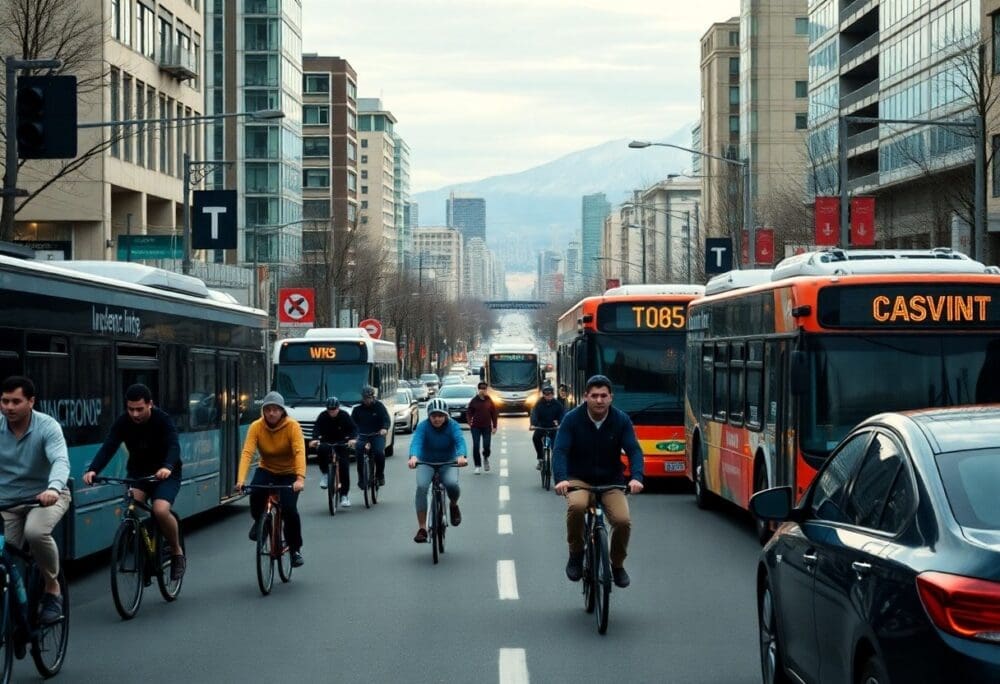
Commute patterns can shift dramatically when you relocate for work to Vancouver. You may find yourself navigating heavier traffic during peak hours, leading to longer travel times, or discovering efficient public transit options that can enhance your daily routine. The city’s stunning scenery can make your commute more enjoyable, but be mindful of its unpredictable weather, which might pose challenges. Adapting to Vancouver’s unique traffic dynamics can help you optimize your travel and improve your overall work-life balance.
Key Takeaways:
- Access to a robust public transportation system can reduce travel times and enhance commuting convenience.
- Proximity to work can lead to a decrease in commuting stress and increased work-life balance.
- Vancouver’s traffic patterns may vary seasonally, impacting daily commute duration and planning.
Understanding Vancouver’s Transportation System
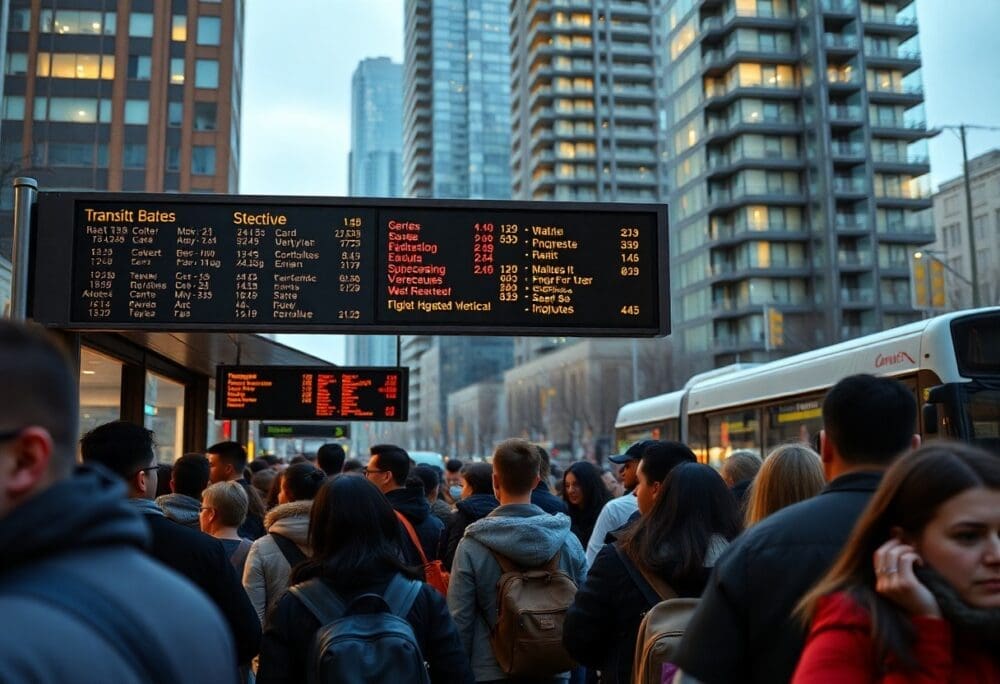
Vancouver’s transportation system is renowned for its efficiency and variety, offering you choices that can significantly influence your daily commute. With a combination of public transit, cycling paths, and walkable neighborhoods, you can tailor your commuting experience to fit your lifestyle preferences. Understanding how each component fits together will allow you to navigate the city effectively and enjoy the benefits of its well-planned infrastructure.
Public Transit Options
Your commuting experience in Vancouver can be greatly enhanced through its extensive public transit options. The TransLink system, which includes buses, SkyTrain, and SeaBus services, covers a vast area, providing you with access to popular destinations and neighborhoods. With frequent service and integrated ticketing, you can reduce travel times and enjoy seamless connections across the city.
Cycling and Walking Infrastructure
Vancouver boasts a robust cycling and walking infrastructure, which supports a healthy and environmentally-friendly commuting option for you. The city features over 400 kilometers of dedicated bike lanes, alongside numerous pedestrian pathways, encouraging you to choose active travel. This infrastructure can turn your daily commute into a pleasurable journey rather than a chore.
Cycling routes in Vancouver are not only extensive but also well-marked and safe, making it easy for you to navigate the city on two wheels. The separated bike lanes and multi-use paths ensure a safer ride, while programs like Bike Share offer convenience for those who may not own a bicycle. With increasing awareness of sustainability, cycling has risen in popularity, empowering you to explore the city at your own pace while avoiding traffic congestion.
Commute Times: Vancouver vs. Other Cities
Average Commute Duration
Your average commute in Vancouver typically hovers around 30-45 minutes one way. Compared to cities like Toronto, where the average extends to over 30 minutes, or Los Angeles, notorious for its traffic jams, your daily travel can feel more manageable in Vancouver. The city’s effective public transportation system, especially its SkyTrain network, also facilitates quicker journeys.
Factors Affecting Commute Times
Several factors shape your commute times in Vancouver. The time of day plays a significant role; peak hours can see delays of up to 50% compared to off-peak travel. Weather conditions, especially during the rainy season, can impact traffic flow. Construction projects and local events may also affect your route and duration.
- Time of day
- Weather conditions
- Road construction
- Traffic patterns
After assessing peak and off-peak traffic data, you’ll find that departing slightly earlier or later can significantly decrease your travel time.
Additionally, the mode of transportation you choose greatly influences your commute experience. If you opt for cycling or walking, travel times may increase during adverse weather but remain consistently reliable compared to car travel. Public transit systems can vary in efficiency based on routes and schedules, affecting your overall journey. Factors like local events can also constrain your typical routes, prompting you to find alternatives.
- Mode of transportation
- Local events
- Route availability
- Transit options
After familiarizing yourself with these variables, you’re better equipped to manage your commuting experience in Vancouver effectively.

Cost of Commuting in Vancouver
The cost of commuting in Vancouver varies significantly based on your mode of transportation. Public transit, driving, and parking all present unique financial implications that can affect your budget. For insights from locals, check out this discussion on Does anyone regularly commute to downtown Vancouver ….
Public Transit Fare Structure
Vancouver’s public transit fare structure is based on zones. A one-zone adult fare is approximately $3.05, while traveling through two or three zones can cost up to $5.55. The convenient Compass Card reduces complications, offering seamless transfers and daily caps on spending, ensuring you don’t overpay.
Driving and Parking Expenses
Driving offers flexibility, but it comes with high costs. Fuel prices can average around $1.80 per liter, while parking rates downtown often range from $4 to $6 per hour. Monthly parking permits can exceed $300, adding up quickly and potentially outweighing the benefits of personal vehicle use.
Furthermore, you’ll need to factor in additional costs such as insurance and maintenance, which tend to be higher in urban settings. If you’re working in the downtown core, parking can become increasingly competitive; after all, many office buildings are limited on space, leading to inflated prices. Considering these factors, it’s important to evaluate whether public transit or driving aligns better with your financial and convenience preferences.
Work-Life Balance and Commute
Your daily commute can significantly impact your work-life balance, and in Vancouver, the average travel time challenges that equilibrium. With a typical 30-45 minute commute, you may find yourself sacrificing personal time or leisure activities, particularly if unforeseen traffic or transit delays occur. However, the city offers excellent public transportation options that can enhance this experience, allowing you to make more productive use of your time during the journey.
Effects of Commute on Personal Time
Longer commutes often mean less personal time for activities such as exercising, spending time with family, or pursuing hobbies. As you navigate Vancouver’s bustling traffic, this precious time diminishes, potentially leading to increased stress and diminished overall well-being. You might find that making small changes, like shifting your work hours or leveraging technology, can help you reclaim some of that lost time.
Employer Support for Flexible Working Arrangements
Many employers in Vancouver are increasingly adopting flexible working arrangements to mitigate the impact of long commutes. Options such as remote work or condensed work weeks allow you to optimize your schedule, improving not only your productivity but also your quality of life. Companies that embrace these practices can significantly enhance employee satisfaction and retention rates.
For instance, businesses that offer remote work options report a 20% increase in employee productivity and a 30% reduction in turnover rates. By allowing you to choose when and where you work, employers not only acknowledge the importance of personal time but also create a more engaged workforce. Furthermore, flexible hours can enable you to avoid peak commuting times, making your travel more efficient and less stressful, ultimately leading to better work-life balance.
Environmental Considerations
When moving for work to Vancouver, it’s necessary to weigh the environmental impact of your daily commute. Vancouver’s urban planning promotes sustainable transit options, yet commuting choices significantly influence overall carbon emissions. For insights from others who are navigating these decisions, check out this link: I’m an American considering moving to Vancouver. …
Carbon Footprint of Commuting
Your daily commute contributes substantially to your overall carbon footprint. Public transit is generally more eco-friendly compared to driving alone; for example, a bus can replace dozens of cars on the road, leading to lower emissions. Choosing a train or ferry over individual car trips also promotes less traffic congestion and better air quality.
Sustainable Commuting Practices
Adopting sustainable commuting practices can significantly reduce your environmental impact. Options like carpooling, biking, or using public transportation are commonly embraced in Vancouver, fostering a cleaner environment. Moreover, working from home even a few days a week can further cut down your transportation-related emissions, aligning your commuting habits with eco-friendly values.
To enhance your green commuting efforts, consider incorporating a mix of options. For instance, biking is not only environmentally friendly but also promotes personal health. Vancouver offers numerous bike lanes that make cycling a viable commuting choice. If biking isn’t feasible daily, use public transit a few times a week or consider joining local carpooling networks. Also, investing in an electric vehicle can minimize emissions if you must drive, helping you contribute to a more sustainable city. Small changes in your commuting routine yield significant benefits for the environment and your community.
Tips for a Smooth Transition
Successfully relocating for work to Vancouver involves strategic planning. To ease your transition, consider the following tips:
- Research neighborhoods that align with your lifestyle
- Utilize public transport options to decrease commute time
- Connect with local colleagues to gain insights
- Evaluate potential commuting costs
- Pack early to avoid last-minute stress
The smoother your transition, the quicker you can adapt to your new environment.
Planning Your Move
Planning your move involves creating a detailed checklist to ensure no aspect is overlooked. Start by booking a reliable moving company well in advance, and consider decluttering items to minimize costs and packing effort. Assign specific tasks to family members, and set a timeline for each stage of the moving process. This organized approach will significantly reduce your stress on moving day.
Adapting to New Commute Patterns
Adapting to new commute patterns is vital for maintaining work-life balance in Vancouver. Get familiar with local transit routes and timing, as delays can vary based on time of day. The city encourages the use of public transport, cycling, and walking, which can make your daily travel more efficient and environmentally friendly. Additionally, try different routes during off-peak hours to find what works best for your schedule.
As you adjust to your new commute, consider downloading transit apps to track real-time schedules and updates, which can help reduce wait times. You may find that alternative transportation methods, like electric scooters or bike shares, become viable options for your journey. Engaging in social activities or utilizing flexible work hours can also positively impact how you experience commuting. Over time, becoming familiar with your new commute will enhance your quality of life in Vancouver.
Summing up
Hence, relocating for work to Vancouver can significantly transform your daily commute, given the city’s efficient public transportation network and pedestrian-friendly design. You may find that your travel time is reduced, allowing for more time to enjoy the city’s vibrant culture and natural beauty. Whether you opt for cycling, using the SkyTrain, or taking buses, the seamless connectivity can streamline your daily routines, fostering a more balanced work-life dynamic. Adapting to this new commute can enhance your overall productivity and well-being in the long run.
FAQ
Q: What transportation options are available for commuting in Vancouver?
A: Vancouver offers various transportation options including SkyTrain, buses, SeaBus, and cycling paths. The SkyTrain is a rapid transit system that connects different parts of the city efficiently. Buses cover areas not serviced by the SkyTrain, while the SeaBus connects the downtown area to North Vancouver. Cycling is also popular, with numerous bike lanes and paths available.
Q: How does public transit efficiency in Vancouver compare to other cities?
A: Public transit in Vancouver is often regarded as efficient due to its extensive network and regular service frequency. The SkyTrain provides timely and reliable service, and the integration of buses into the transit system allows for seamless transfers. Compared to some other cities, Vancouver’s transit can be quicker and more accessible in urban areas, though peak hours may experience crowding.
Q: What impact does moving to Vancouver have on work-life balance regarding commute times?
A: Moving to Vancouver can significantly affect work-life balance. Many neighborhoods are located close to business districts, potentially reducing commute times. Shorter commutes can lead to more free time for personal activities and relaxation, whereas longer commutes can lead to increased stress and reduced time for family and leisure activities.