



House Plants
Moving to a new home is exciting, but if you are a plant parent, the thought of relocating your beloved greenery can be stressful. House plants are sensitive to changes in light, temperature, and handling, so a little preparation goes a long way. Follow this timeline to give your indoor plants the best chance of thriving after the move.
Updated for 2026 — this guide reflects the latest moving tips and pricing for the Greater Vancouver area.
Table of Contents
- House Plants
- Best Timing for Moving Plants in British Columbia
- Which Plants Handle Moves Best
- Packing Methods by Plant Type
- Legal Restrictions for Interprovincial Plant Moves
- Garden Plants
- Replanting Tips for Your New Garden
- Post-Move Plant Care: The First 30 Days
- Preparing Garden Beds at Your New Home
- Protecting Delicate Plants During Transit
- Need Help with Your Move? Call Simple Moves
- Tools and Supplies for Moving Plants Safely
- Insurance and Liability for Plant Damage During a Move
A Couple Of Weeks Before You Move
- To facilitate packing, prune plants. Consult a plant book or a florist for instructions.
- If any plants have outgrown their ceramic or terracotta pots, repot them into lightweight plastic containers now so they have time to adjust before moving day.
- This is also a good time to take stock of which plants are healthy enough to move and which ones might be better off gifted to a neighbour or friend.
A Week Before Your Move
- Your plants should be placed in a black plastic bag. Put a bug/pest strip, conventional flea collar, or bug powder in the same bag. Then close the bag and place it in a cool area overnight. This will kill any pests on the plant or in the soil.
- Give each plant a thorough watering, but do not overwater. The goal is moist soil, not soggy roots. Excess water adds weight and can promote mould during transit.
The Day Before Your Move
- Place the plants in cardboard boxes. The plants can be held in place with dampened newspaper or packing paper. Cushion the leaves with a wet paper towel and place a final layer of damp paper towel on top to keep them moist. If you have to leave your plants behind, you can take cuttings. Put them in a plastic bag with wet paper towels around them.
- For tall or top-heavy plants, use stakes or bamboo sticks taped to the inside of the box to keep stems upright during transport.
On The Day Of Your Move
- The cardboard boxes should be set aside and clearly labelled “DO NOT LOAD” so they won’t mistakenly be taken on the moving van. Close the boxes and punch air holes in the top before loading them into your car.
- Transport plants in your personal vehicle whenever possible. The climate-controlled interior of your car is far safer than the back of a moving truck, where temperatures can swing dramatically.
When Moving
- In the summer, park your car in a shaded area. Likewise, in the winter, park your car in a sunny spot.
- Avoid leaving plants in a closed vehicle for extended periods. Even on a mild day, interior temperatures can spike quickly and damage foliage.
Upon Arrival
- The plants should be unpacked as soon as possible after arrival. To avoid breaking the stems, remove plants through the bottom of the box. Initially, do not expose the plants to too much sunlight. Allow them to gradually become accustomed to more light.
- Water each plant lightly and place them in a spot with indirect light for the first few days. Watch for signs of transplant shock such as drooping or yellowing leaves, and give them time to recover before moving them to their permanent spots.
Best Timing for Moving Plants in British Columbia
If you have any flexibility in scheduling your move, timing matters when it comes to plants. In BC, the ideal windows for relocating plants are spring (April to May) and early fall (September to early October). During these periods, temperatures are mild, and plants are not in peak growth or dormancy, making them more resilient to the stress of a move.
Summer moves are manageable but require extra caution with heat. Winter moves in the Lower Mainland are possible since temperatures rarely dip far below freezing, but you will need to protect tropical plants from cold snaps. If you are moving to or from the BC Interior or northern regions in winter, wrap plants in insulating blankets and minimize their time outdoors.
Which Plants Handle Moves Best
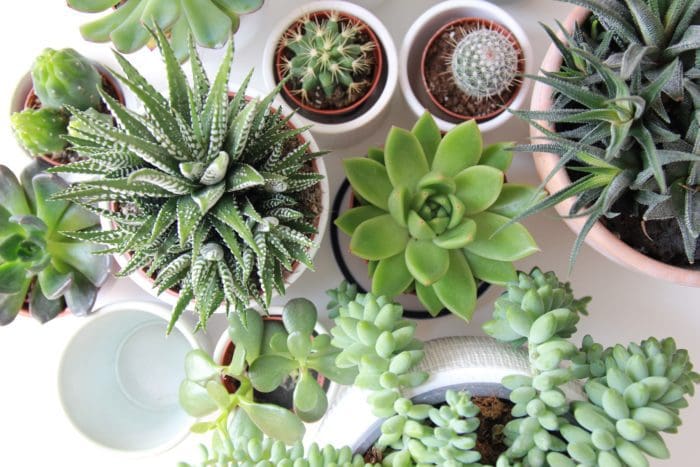
Not all plants are equally tough when it comes to moving. Hardy varieties like pothos, snake plants, spider plants, and ZZ plants tolerate jostling, temperature changes, and inconsistent light surprisingly well. Succulents and cacti are also good travellers as long as they stay dry.
On the other hand, fiddle leaf figs, calatheas, and orchids are notoriously sensitive to environmental changes. These plants may drop leaves or wilt after a move, so give them extra attention and stable conditions as they adjust. Ferns prefer consistent humidity and may struggle if exposed to dry air during a long drive.
Packing Methods by Plant Type
Different plants call for different packing approaches. Small succulents and cacti can be grouped together in a shallow box with dividers, similar to how you would transport beverages. Wrap each pot with newspaper to prevent them from shifting.
Medium-sized foliage plants like pothos, philodendrons, and peace lilies do well in individual boxes with packing paper filling the gaps around the pot. For hanging plants, remove them from their hangers, set the pot in a box, and let trailing vines rest gently on top of the soil or coil loosely around the base.
Large floor plants such as rubber trees or bird of paradise are too big for boxes. Wrap the pot in a garbage bag to contain soil, then loosely drape a bedsheet or moving blanket over the foliage to shield it during transport. Secure the covering with twine but avoid tying it tightly against the leaves.
Legal Restrictions for Interprovincial Plant Moves
If you are moving out of British Columbia, be aware that there are federal and provincial regulations governing the transport of plants across provincial borders. The Canadian Food Inspection Agency (CFIA) restricts the movement of certain plants and soil to prevent the spread of pests and diseases.
Soil is the biggest concern. Some provinces require that plants arrive bare-root (soil removed) to avoid introducing non-native pests. It is always a good idea to check the CFIA website or contact their office before your move to confirm which plants and materials you are permitted to bring. Most professional moving companies, including Simple Moves, will not transport plants interprovincially due to these regulations, so plan to carry them yourself or ship bare-root cuttings.
Garden Plants
- Learn about the climate and soils of your new home.
- Seeds should be gathered and stored in an airtight container.
- Bulbs should be dug up during their natural dormant season. Pack in a loose dry peat moss and vermiculite mixture to provide a lightweight and protective transport medium.
- Garden tools should be well maintained. Make sure to sharpen blades of clippers, lawnmowers and shears, and apply a thin coating of household or motor oil to protect the paint and metal parts. Clean and disinfect rakes, hoses and sprinklers. Household bleach can be used to disinfect a variety of items.
- Some plants can be dug up and transplanted.
Replanting Tips for Your New Garden
Once you arrive at your new home, resist the urge to plant everything on day one. Let transplanted garden plants sit in their temporary containers for a few days while you assess the sunlight, drainage, and soil conditions around your new property. Test the soil pH if possible, as BC soil conditions can vary significantly between neighbourhoods.
When you are ready to plant, dig holes about twice the width of the root ball to give roots room to spread. Water deeply after planting and apply a layer of mulch to retain moisture. For the first few weeks, water more frequently than usual until the plants establish themselves. Avoid fertilizing for the first month, as freshly transplanted roots are vulnerable to fertilizer burn.
Need help with your upcoming move? Simple Moves can handle the heavy lifting while you focus on your plants. Get a free quote today or call us at (604) 670-6050.
Post-Move Plant Care: The First 30 Days
The weeks immediately after a move are critical for plant survival. Most houseplants experience transplant shock—wilting leaves, dropped buds, or slowed growth—even when the move went smoothly. Resist the urge to compensate by overwatering or adding fertilizer. Instead, place plants in locations with similar light levels to their previous home and water only when the top inch of soil feels dry.
Avoid repotting plants during the first two to three weeks after a move. The stress of a new environment combined with root disturbance from repotting can push a struggling plant past its recovery threshold. Once you see new growth—a fresh leaf unfurling or new root tips visible at the drainage holes—the plant has adjusted and can handle being moved to a permanent pot.
Preparing Garden Beds at Your New Home
If you are transplanting outdoor garden plants to a new property, soil preparation at the destination is just as important as careful digging at the origin. Test the soil pH and drainage at your new garden beds before planting. Many British Columbia soils lean acidic, which suits rhododendrons and blueberries but may require lime amendments for vegetable gardens or lavender.
Dig planting holes twice the width of the root ball and backfill with a mix of native soil and compost. Water deeply immediately after planting, and apply a three-inch layer of mulch around each plant—keeping it a few inches away from the stem—to retain moisture and regulate soil temperature during the adjustment period.
Protecting Delicate Plants During Transit
Succulents, orchids, and other fragile plants need individual attention during a move. Wrap each pot in newspaper or packing paper and place it upright in an open-top box lined with crumpled paper to prevent tipping. For tall plants like fiddle-leaf figs, use a wardrobe box that allows the plant to stand at full height without bending or breaking branches. Never leave plants in a closed vehicle for extended periods—temperatures inside a parked car can rise to damaging levels within thirty minutes, even on a mild day.
Need Help with Your Move? Call Simple Moves
While you tend to your plants, let Simple Moves handle the rest of your belongings. As a full-service moving company, we provide both the crew and the trucks for a seamless relocation. Get a free quote or call (604) 398-4680.
Tools and Supplies for Moving Plants Safely
Having the right supplies on hand makes plant moving significantly less stressful. Gather sturdy cardboard boxes, newspaper or packing paper, plastic bags for wrapping soil surfaces, stakes for tall plants, and twist ties to gently secure branches that might snap during transit. A spray bottle filled with water is useful for misting tropical plants during a long move, and damp paper towels wrapped around exposed roots of bare-root plants prevent them from drying out.
For large outdoor plants that you are transplanting, you will need a sharp spade, burlap or a large tarp for wrapping root balls, twine, and a wheelbarrow or hand truck for moving heavy pots. If you are digging plants from the ground, do this the evening before or early morning of your move to minimize the time roots spend exposed to air. Water the area thoroughly the day before digging to make the soil workable and help the root ball hold together during extraction.
Insurance and Liability for Plant Damage During a Move
Most moving companies do not cover plants under their standard liability coverage, so it is important to understand the risk before packing your prized collection. If you own rare or high-value specimens—mature orchids, bonsai trees, or collector-grade succulents—consider transporting them yourself in your personal vehicle where you can control temperature and handling. For plants of sentimental rather than monetary value, the same advice applies: personal transport gives you the most control over the conditions your plants experience during the move.