





Migration to Canada often evokes images of vast landscapes and vibrant cities, but weather challenges can significantly impact your experience. From harsh winters that can isolate communities to unpredictable weather patterns affecting outdoor activities, understanding these elements is vital. You might overlook how extreme temperatures and snowfall can disrupt daily life, or the emotional toll of prolonged winter conditions on mental health. Being informed about these factors can better prepare you for your move and help you navigate the unique challenges of Canadian living.

Key Takeaways:
- Weather challenges in Canada, such as harsh winters and varying climates, often are not prioritized in relocation decisions.
- Emotional and lifestyle factors may overshadow the impact of weather conditions when considering a move.
- There is a lack of awareness about how weather can affect daily life and long-term satisfaction in a new location.
Understanding Weather Challenges in Canada
In Canada, understanding weather challenges is vital for anyone considering a move. The country experiences a range of weather phenomena that can significantly impact your daily life and decisions. From long winters to unexpected storms, these challenges often shape not just your experience but also your perception of living in Canada. Failing to recognize these elements may lead to underestimating the implications of relocating to different regions.
Climate Variability
Canada’s climate is marked by significant variability, influenced by geographic diversity ranging from coastal areas to mountainous regions. In one province, you may encounter dry, hot summers, while just a few hundred kilometers away, another region may experience incessant rain. This instability can affect your lifestyle choices, impacting outdoor activities and the readiness to adapt to sudden environmental changes.
Seasonal Extremes
Canada is notorious for its seasonal extremes, including harsh winters and sweltering summers. While winter temperatures can plummet to -30°C or lower in some areas, summer highs can reach above 30°C, leading to distinct lifestyle changes and challenges. These fluctuations require you to invest in specialized clothing, heating, or cooling systems, significantly affecting your budget and overall comfort.
The impact of seasonal extremes on your daily life cannot be overstated. For instance, snowstorms can disrupt transportation, while heatwaves might strain energy resources, forcing utilities to implement rolling blackouts. Additionally, some regions experience rapid weather changes, making it important for you to stay informed and prepared. Residents often adapt by investing in home insulation for winter or air conditioning for summer, highlighting the necessity of planning for these extreme conditions when considering a move.

The Impact of Weather on Relocation Decisions
Weather significantly influences your decision to relocate within Canada, often shaping perceptions more than the facts. Harsh winters or heavy snow could deter potential movers, leading you to overlook the many benefits of residing in a climate with distinct seasons. Conversely, milder regions may seem more appealing, but they also come with their own challenges, like increased rainfall or humidity. It’s important to weigh these factors carefully, as they can greatly affect your overall living experience.
Perception vs. Reality
Your perception of Canada’s weather can greatly diverge from reality. Many believe that winter lasts six months and is unbearable, but regions like British Columbia offer milder, more temperate climates. By focusing solely on narratives fueled by dramatic weather reports, you might overlook areas with idyllic conditions year-round. Consider visiting different provinces during varied seasons to gain a more balanced view.
Long-Term Climate Trends
Long-term climate trends reveal significant changes that may reshape your perception of Canadian weather. While you might initially consider winter temperatures an obstacle, historical data indicates that Canada is experiencing warmer winters overall. The 2021 report from Environment Canada shows average winter temperatures rising by approximately 3-4°C since the late 20th century in many regions.
The increase in average winter temperatures not only transforms how you experience winter in Canada but also influences other factors like energy consumption and infrastructure. For example, milder winters can lead to decreased heating costs, and regions traditionally deemed “too cold” may become more accessible for year-round living. Furthermore, changing precipitation patterns could mean less snow but more rain, impacting your outdoor activities and lifestyle choices. Understanding these trends allows you to make a more informed decision about your potential new home in Canada.
Overlooked Factors in Moving Decisions
When considering a move in Canada, many factors may be overshadowed by immediate concerns like housing and education. You might neglect the long-term implications of economic conditions, quality of life, and community dynamics. This oversight can impact your adjustment period and overall satisfaction.
- Weather challenges
- Economic opportunities
- Quality of life
- Community resources
Thou should not underestimate these factors when making your next move.
Economic Opportunities
Job markets in various regions can significantly affect your decision. Cities like Toronto and Vancouver often present a wealth of strong career opportunities in tech and finance. However, it’s vital to analyze local job growth, wage levels, and industry specialties to ensure a good fit for your career ambitions.
Quality of Life Considerations
Your decision to move should also hinge on how a location aligns with your lifestyle preferences. Factors such as access to healthcare, recreational activities, and cultural amenities contribute to an enjoyable living experience. Housing affordability and public transportation options further reflect your potential satisfaction in a new city.
In evaluating quality of life, consider metrics like the cost of living, education systems, crime rates, and proximity to nature. Cities like Calgary and Halifax offer distinct lifestyles shaped by their unique cultural vibes and access to outdoor activities. A city that embraces outdoor adventures, for instance, might elevate your happiness and overall well-being. Carefully weighing these components can lead you to a more fulfilling choice. Thou must choose wisely to ensure stability and happiness in your new environment.
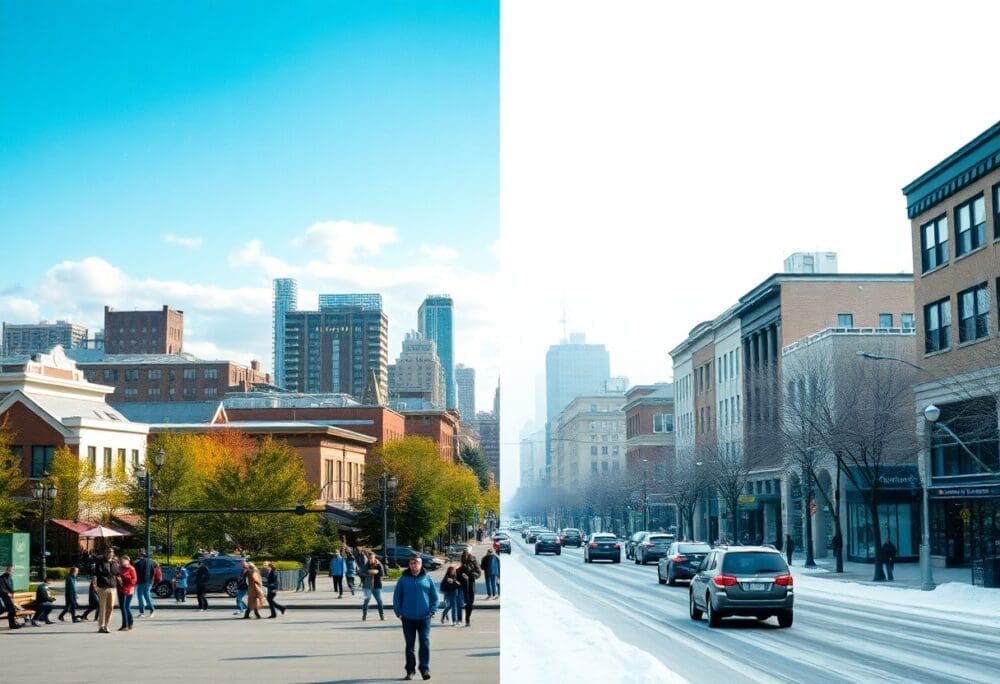
Regional Differences in Weather Perceptions
Weather perceptions in Canada vary significantly based on region. For many, the local climate shapes lifestyle choices, from outdoor activities to home design preferences. Residents in areas with harsh winters often adapt by investing in snow removal services or purchasing winter equipment, while those in milder climates may prioritize ventilation and shade solutions. Ultimately, how you perceive weather can influence your opinions on relocating to a different province or territory.
Coastal vs. Inland Areas
Living in coastal regions often means experiencing milder temperatures and more stable weather patterns, making it appealing for many. In contrast, inland areas face extremes, such as hotter summers and colder winters. This difference contributes to how each group views their climate; coastal residents may find winter storms less burdensome, while those in the interior may adapt more easily to seasonal cycles.
Urban vs. Rural Perspectives
Urban dwellers typically experience a different set of weather-related challenges compared to their rural counterparts. City environments can create heat islands, leading to increased temperatures during summer, which may seem overwhelming. Conversely, those in rural areas might face greater weather variability and must manage risks like snowstorms or flooding without the infrastructure found in urban centers. Both perspectives highlight distinct adaptations to weather, influencing decisions to move.
In urban settings, your daily routine is impacted by how weather conditions affect transportation and accessibility. Urban infrastructure, while resilient, can struggle during extreme weather events, leading to potential delays and chaos. For instance, storms may disrupt public transit, affecting your commute. In contrast, rural living often means you’re more connected to changing weather patterns, as agricultural activities depend directly on climate conditions. Therefore, your perspective shifts based on whether you prioritize convenience or a close relationship with nature and its fluctuations.
Coping with Weather Challenges
To thrive in Canada, you need to embrace proactive coping strategies that mitigate adverse weather conditions. Prioritize investing in quality gear for winter, such as insulated boots and thermal wear. Incorporate seasonal routines into your lifestyle, such as winter driving courses and regular home maintenance, to ensure safety and comfort. For further insights on moving decisions, check out The 7 reasons why you should not move to Canada.
Community Resilience
Your community plays a vital role in navigating weather challenges. Strong local networks foster resilience through shared strategies, support systems, and communal activities. Engaging with your neighborhood can enhance your adaptability while building lasting relationships, ultimately making harsh weather more manageable.
Adaptive Strategies for Newcomers
Newcomers must develop adaptive strategies tailored to Canada’s diverse climates. Familiarizing yourself with local weather patterns, such as urban heat islands or snowy winters, can help you prepare effectively. Consider joining local clubs or participating in community events, which can offer insight and camaraderie, making adjustment easier.
You can also take advantage of resources tailored for newcomers, such as workshops on winter preparedness or local guides that detail seasonal activities. Understanding neighborhood amenities, like heat shelters during extreme cold or community snow removal programs, allows you to navigate day-to-day life more smoothly. Adaptability extends to learning how locals cope with weather, enriching your experience and ensuring you integrate fully into Canadian life.
The Role of Public Perception
Public perception significantly impacts how weather challenges are viewed when contemplating a move in Canada. Many individuals prioritize social norms and collective attitudes over factual data, leading to a misunderstanding of weather-related issues. Your decision-making process may be influenced by anecdotal narratives rather than on-the-ground realities, causing potential downsides of specific locales to be dismissed or exaggerated.
Media Influence
Media plays a critical role in shaping your perception of weather hazards. Sensationalized reporting on extreme weather events can lead to fear and misinformation, making you wary of relocating to certain areas. For instance, a few dramatic stories on flooding or winter storms might overshadow the fact that many regions experience relatively stable climates year-round.
Personal Experiences
Your personal experiences with weather extremes can profoundly influence your perspective on moving. If you have dealt with harsh winters or significant storms, those memories may shape your attitude toward relocating to a new climate. Consider, however, that personal anecdotes do not reflect the broader experiences of all residents, often skewing your perception unfairly.
Many Canadians have their own strong stories about weather affecting their lives, often elevating insignificance into serious concerns. For example, if you’ve experienced one particularly brutal winter, it’s easy to generalize your discomfort to every winter in that region. Statistics might show that many winter days are milder than the memory of an isolated harsh season. This tendency can lead to avoidance of areas that might otherwise fit your lifestyle and needs perfectly. Understanding this bias can provide clarity as you assess weather-related impacts on your potential move.
Conclusion
Drawing together the various factors, it’s evident that weather challenges often become overlooked in your decision-making process regarding a move to Canada. Your focus may shift to other aspects of life in Canada, but it’s necessary to assess how climate can impact your daily experiences. If cold winters and unpredictable weather concern you, consider exploring insights like Is It a Smart Move to Immigrate to Canada When You Hate … to make a well-rounded choice for your future.
FAQ
Q: What types of weather challenges should potential movers consider in Canada?
A: Potential movers should consider extreme cold temperatures, heavy snowfall, and prolonged periods of rain. These weather challenges can impact daily activities, transportation, and overall comfort during certain seasons.
Q: How can weather variability in Canada affect lifestyle choices?
A: Weather variability can lead to lifestyle adjustments, such as altering outdoor activities, clothing choices, and heating needs. For example, individuals may need to invest in winter gear and modify their schedules to cope with short daylight hours in winter.
Q: What impact do weather challenges have on housing costs in Canada?
A: Weather challenges can influence housing costs by increasing the need for energy-efficient homes and winterization measures. Regions with harsher climates might see higher home prices due to demand for properties that can withstand severe weather conditions.