




Have you wondered how much car shipping costs? We will explain your options here
If you need Vehicle Shipping within Canada, you have a few routes, but they aren’t all equal. So here we will explain the differences and give you the good and the bad too. Simple Moves & Storage are experts at Long Distance Moving
Car Moving in Canada
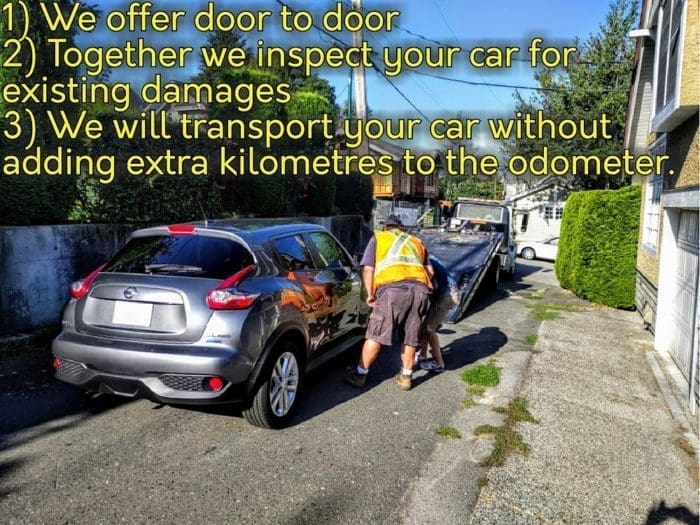

Vehicle Shipping from or to Vancouver via Train
An average local household move commonly lands around $1,500–$2,800. Smaller apartment moves can cost less, while large, long-distance, or difficult moves can cost more. These prices are a helpful guide based on similar moves. Every move is different, so we’ll give you a free, personal quote before anything is booked—so you know exactly what to expect.
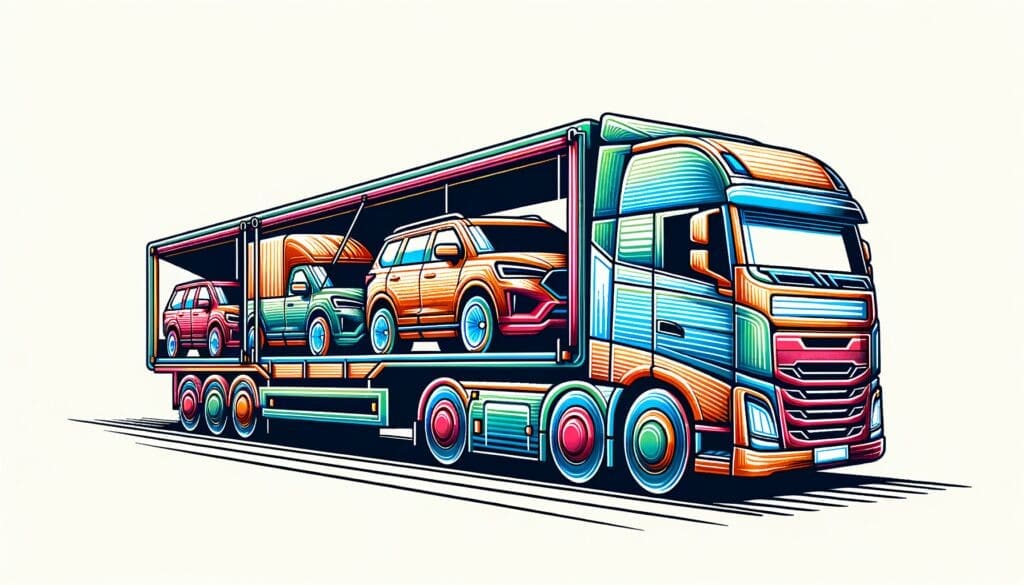
Move Your Car with a Dedicated, Enclosed Trailer Service
- Let’s start with this: unless you have a very valuable vehicle, you will not need an enclosed vehicle transportation service because it is very expensive compared to shipping via train.
- The safest and fastest way to ship cars, with door-to-door service and dedicated shipping times.
- If you live in a remote area, this may make sense as it’s a faster solution.

Ship Your Car Overseas or International Car Shipping with Containers
- This is fun! Stuff as many things in your car as you can! The payment is calculated by the volume and not by the weight of your vehicle.
- Container Car Shipping happens via Container Ships, which typically takes 8-16 weeks wherever you go.
- Depot to Depot service only.
- Relatively cheap. However, you will have to deal with a lot of documentation and possible (almost certainly) extra charges at your destination country.

Have someone drive your car across Canada

Car Shipping to the US
- There are experts at exporting your Canadian car to the US. Please search online and call professionals to help export vehicles to the US.
Preparing Your Vehicle for Shipping in 2026
Whether you are shipping your car across Canada or overseas, proper preparation is essential to ensure a smooth experience. In 2026, vehicle shipping demand continues to grow as Canadians relocate between provinces for work, family, and lifestyle changes. Before your vehicle is picked up, take the time to complete these critical steps.
Start by giving your vehicle a thorough wash, both inside and out. This allows you to document the current condition of the car with clear photos. Take pictures from every angle, including close-ups of any existing scratches, dents, or paint chips. This photographic record protects you in the unlikely event of a damage claim during transit.
Remove all personal belongings from the interior. While train shipping allows a small emergency package and up to four spare tires, everything else must come out. Items left inside can shift during transit, potentially damaging the interior or interfering with the vehicle’s systems. Remove toll transponders, parking passes, and any aftermarket accessories that could be damaged or stolen.
Check your vehicle’s fluids and battery. The fuel tank should be no more than half full, as required by most carriers. Ensure the battery is fully charged and the e-brake is in working order, since shipping personnel need to drive the vehicle on and off the carrier. Disable any aftermarket alarms that could drain the battery or cause confusion during loading.
Understanding Vehicle Shipping Costs and Timelines
Vehicle shipping costs in Canada depend on several factors, including the size and weight of your vehicle, the distance being shipped, the method of transport, and the time of year. Peak moving season from May through September typically sees higher rates due to increased demand. Planning your shipment during the shoulder months of April or October can sometimes save you hundreds of dollars.
For domestic shipments via rail, the most affordable option, expect transit times of two to five weeks depending on the route. The Vancouver to Toronto corridor is well-established and runs frequently, while routes to smaller cities may require additional time for the final delivery leg. Enclosed trailer service is faster, often completing cross-country deliveries in five to ten days, but comes at a premium price that makes sense primarily for high-value or classic vehicles.
International container shipping is the most variable in both cost and timeline. Shipping a vehicle from Vancouver to Europe typically takes eight to twelve weeks, while destinations in Asia may range from four to eight weeks. Factor in customs clearance, import duties, and local registration requirements at your destination, which can add both time and expense to the process.
Choosing Between Open and Enclosed Transport
When shipping a vehicle within Canada, you will generally choose between open and enclosed transport. Open transport, which includes rail shipping, exposes your vehicle to the elements but offers significant cost savings. Your car may arrive dusty or with minor road debris marks, but structural and mechanical integrity is maintained. This option is ideal for everyday vehicles and represents the best value for most Canadian families relocating between provinces.
Enclosed transport provides a fully protected environment for your vehicle. The car is loaded into a sealed trailer or container, shielding it from weather, road debris, and dust. This premium service is recommended for luxury vehicles, classic cars, exotic sports cars, and any vehicle with a value that justifies the additional expense. Enclosed carriers also typically offer more comprehensive insurance coverage and dedicated pickup and delivery schedules.
For those shipping vehicles overseas, container shipping offers an interesting advantage. Because you pay by volume rather than weight, you can fill the interior of your car with personal belongings, effectively getting free cargo space. Just be aware that customs regulations at your destination may impose duties on the contents, so check the rules before packing your vehicle full of household items.
Insurance and Liability for Vehicle Shipping
Understanding insurance coverage is crucial when shipping your vehicle. Most reputable carriers include basic liability insurance in their quotes, but the coverage limits vary significantly. Rail shipping in Canada typically includes body insurance that covers exterior damage during transit, but does not cover mechanical issues or pre-existing damage.
For higher-value vehicles, consider purchasing supplemental transit insurance. Your existing auto insurance policy may or may not cover your vehicle during shipping, so contact your insurance provider before the move. Some carriers offer enhanced coverage options that provide full replacement value protection for an additional fee.
Document everything before, during, and after the shipping process. Keep copies of your shipping contract, insurance documentation, vehicle condition report, and photographs. Upon delivery, inspect your vehicle thoroughly before signing any release forms. If you notice new damage, document it immediately and file a claim with the carrier within their specified timeframe.
Why Coordinate Vehicle Shipping with Your Full Service Move
If you are relocating across Canada, coordinating your vehicle shipment with your household move can simplify the entire process. At Simple Moves, we help families plan every aspect of their long-distance relocation, including connecting you with trusted vehicle shipping partners. Our full service move packages handle your household belongings while we coordinate the logistics of getting your vehicle to your new home.
Planning both moves together allows you to align delivery timelines, reducing the gap between arriving at your new home and having your vehicle available. This is especially important for families moving to areas without robust public transit, where having a car on arrival is essential for daily life.
Ready to plan your cross-country relocation? Get a free quote from Simple Moves today, or call us at (604) 398-4680 to speak with one of our relocation specialists. Whether you need small moves in Vancouver or a complete cross-country relocation, we have the experience and dedication to make your move stress-free.
Vehicle shipping costs in Canada range from approximately $1,700 to $3,400 depending on the route, vehicle size, and shipping method. Train shipping from Vancouver to Toronto costs roughly $2,200 to $3,200, while shorter routes like Vancouver to Edmonton range from $1,700 to $2,700. Enclosed trailer service costs significantly more but offers faster delivery and full weather protection.
Transit times vary by method and route. Rail shipping takes two to five weeks, with Vancouver to Toronto averaging about four weeks. Enclosed trailer service is faster at five to ten days. International container shipping ranges from four to sixteen weeks depending on the destination.
Wash your vehicle and document its condition with photos. Remove all personal belongings, keep the fuel tank half full, ensure the battery is charged and the e-brake works, and disable any aftermarket alarms. Provide a spare key to the shipping company and note any mechanical issues in writing.
Most carriers include basic liability insurance in their quotes. Rail shipping typically includes body insurance covering exterior damage. For higher-value vehicles, consider purchasing supplemental transit insurance or checking whether your existing auto policy covers vehicles during transport.
{
]
}
Get a Free Moving Quote From Simple Moves
Simple Moves is a full-service moving company serving Metro Vancouver, the Fraser Valley, and all of British Columbia. We provide the experienced movers and the trucks — you do not need to rent a vehicle or recruit friends. Whether you are moving across the street or across the province, we make every move simple.
Call (604) 398-4680 or request a free quote online today.