




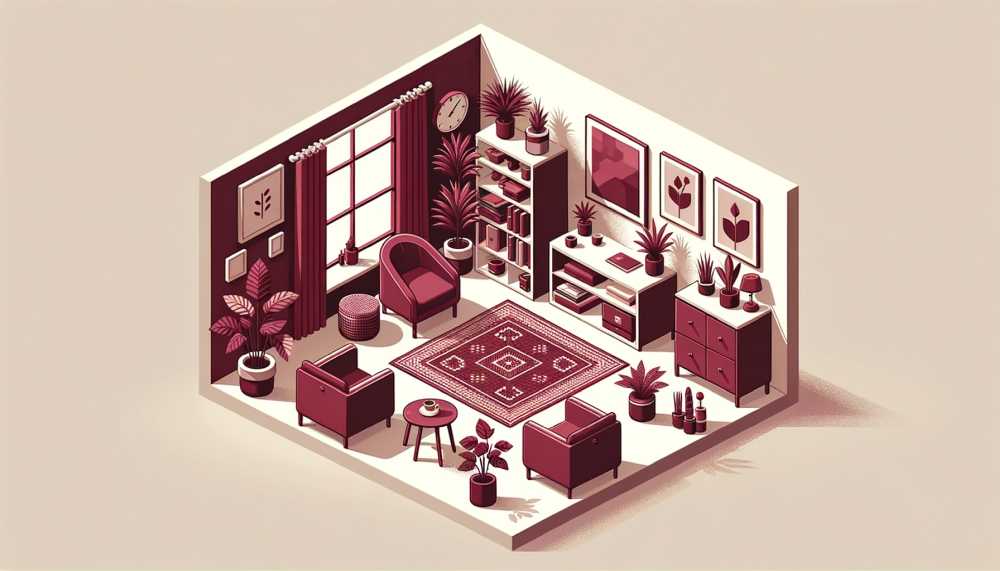
Home Decoration Tips Post-Move
Moving into a new home is one of life’s most exciting milestones. Once the boxes are unloaded and the furniture is roughly in place, the real fun begins: transforming an unfamiliar space into a place that feels uniquely yours. Whether you have moved into a sprawling house in the suburbs or a cozy apartment downtown, these decoration tips will help you settle in and create a home you genuinely love living in.
Updated for 2026 — this guide reflects the latest moving tips and pricing for the Greater Vancouver area.
Table of Contents
- Home Decoration Tips Post-Move
- Starting Fresh in Your New Home
- Establish a Colour Palette
- Winning Decoration Tips Room by Room
- Apartment Decorating Tips to Make Your Space Feel Like Home
- Hanging Pictures and Artwork
- Post-Move Magic: The Transformation of House to Home
- Use Personal Collections as Decor
- Seasonal Decorating Keeps Things Fresh
Starting Fresh in Your New Home
A new address is a blank canvas, and that is both thrilling and a little overwhelming. Before rushing out to buy decor, spend a few days simply living in the space. Notice how natural light moves through the rooms at different times of day. Pay attention to which areas feel warm and inviting versus which corners feel cold or dark. Observe where you naturally gravitate to relax, work, or have morning coffee. These observations will guide smarter decorating decisions that work with your home’s natural character rather than against it.
Resist the urge to replicate your old home exactly. A new space has its own personality, with different ceiling heights, window sizes, floor plans, and architectural details. The decor that worked perfectly in your previous home may not suit this one at all. Embrace the opportunity to experiment with new layouts, colour schemes, and styles. Moving is one of the rare moments in life when you get a genuine fresh start with your living environment, so take full advantage of it rather than defaulting to what is familiar.
Establish a Colour Palette
Choosing a cohesive colour palette is the single most impactful decorating decision you can make. A unified palette ties rooms together and creates a sense of flow throughout your home, making even a collection of mismatched furniture feel intentional and curated. Start by selecting two or three base colours and one or two accent colours that complement each other.
If you are unsure where to begin, look at your existing furniture and artwork for inspiration. Pull colours from a favourite rug, painting, or throw pillow and use those as your foundation. Neutral tones like soft whites, warm greys, and natural wood shades provide a versatile backdrop that is easy to update with seasonal accents. When you want to refresh a room, you only need to swap out a few pillows, a throw blanket, and perhaps some artwork rather than repainting entire walls or replacing major furniture pieces. This approach saves both money and effort over the long term.
Winning Decoration Tips Room by Room
Living Room
The living room is where you will spend most of your waking hours at home, so it deserves the most attention. Anchor the room with an area rug that defines the seating area and adds texture underfoot. Choose one large enough that the front legs of all major furniture pieces sit on it, which visually ties the arrangement together and makes the space feel cohesive. Layer your lighting by combining overhead fixtures, floor lamps, and table lamps to create depth and atmosphere. Dimmer switches are an inexpensive upgrade that lets you adjust the mood instantly, going from bright task lighting during the day to a soft glow in the evening. Add greenery with indoor plants that breathe life into any room. Low-maintenance options like pothos, snake plants, and rubber trees thrive in a variety of light conditions and are nearly impossible to kill, making them perfect for new plant parents.
Bedroom
Your bedroom should be a sanctuary, a retreat from the busyness of daily life. Invest in quality bedding because your bed is the focal point of the room. Crisp sheets, plush pillows, and a well-chosen duvet create a hotel-like retreat that makes climbing into bed something you look forward to. Use soft lighting instead of overhead fixtures, which can feel harsh and clinical in a bedroom. Bedside lamps or wall-mounted sconces provide a softer glow that promotes relaxation and signals to your brain that it is time to wind down. Keep the bedroom clutter-free because a tidy space encourages better sleep. Use under-bed storage, closet organizers, and a small tray on the dresser to keep essentials contained and surfaces clear.
Kitchen and Dining Area
The kitchen is the heart of the home, and even small decorating touches can make it feel more inviting and functional. Display functional items on open shelving, showcasing your favourite dishes, cookbooks, or spice jars. This adds personality while keeping frequently used items within easy reach. Upgrade your hardware by swapping out cabinet knobs and drawer pulls, which is one of the fastest and cheapest kitchen upgrades available. New hardware can make old cabinets look completely refreshed for under fifty dollars. Add a statement light fixture above the dining table, whether a pendant light, chandelier, or cluster of hanging bulbs, to create a focal point that sets the tone for meals and gatherings.
Basement Decorating
Basements present unique decorating challenges because they tend to be darker, cooler, and sometimes damper than the rest of the house. Brighten the space with light-coloured paint on walls and ceilings, and use mirrors strategically to reflect any available light. Ample lighting from a mix of recessed ceiling lights, floor lamps, and table lamps is essential for making the space feel open and inviting rather than cave-like. Define separate zones using rugs, furniture placement, or curtain dividers to break up a large basement into distinct areas for media watching, playing, and working. Before investing in any decorating, address moisture issues first. A dehumidifier and proper ventilation protect your furnishings and prevent mould, which can ruin fabrics, wood, and artwork.
Apartment Decorating Tips to Make Your Space Feel Like Home
Apartment dwellers face unique decorating challenges that homeowners do not. Limited space, rental restrictions on painting and drilling, shared walls, and the knowledge that the space is temporary all influence design choices. Here are strategies that work within those constraints while still creating a space that feels genuinely yours.
Use removable wallpaper or decals to add pattern and colour to walls without damaging the surface or risking your security deposit. Hang curtains high by mounting curtain rods close to the ceiling, which makes windows and the entire room appear taller and more spacious. Choose furniture with visible legs, as pieces that sit on exposed legs allow light and air to flow underneath, making small rooms feel less cramped and more open. Use mirrors strategically by placing a large mirror opposite a window to reflect light and create the illusion of a bigger, brighter room. These simple techniques can make even the smallest studio apartment feel airy and welcoming.
Hanging Pictures and Artwork
Bare walls make a home feel empty and impersonal. Hanging artwork, family photos, and prints is one of the fastest ways to add personality and make a space feel lived-in and loved. Follow these guidelines for a polished look that appears professional even if you are a complete beginner.
Hang artwork so the centre of the piece is at eye level, which is roughly fifty-seven to sixty inches from the floor. This standard gallery height creates a consistent visual line throughout your home. When creating a gallery wall, lay out your arrangement on the floor first and take a photo before hammering any nails so you can see how the pieces work together and make adjustments without putting unnecessary holes in the wall. Use picture-hanging strips for lightweight frames, especially in rentals where patching holes is a concern. Group smaller pieces in odd numbers like three or five for a more dynamic and visually interesting composition.
For advice on hanging heavier items like mirrors and mounted shelves, check out our detailed guide on how to hang your pictures after a move.
Post-Move Magic: The Transformation of House to Home
Turning a house into a home does not happen overnight, and it does not require a huge budget. The most meaningful spaces are built gradually through personal touches, a framed photo from a favourite vacation, a bookshelf curated over years of reading, a cozy reading nook assembled one piece at a time. Give yourself permission to take it slow. Live in the space, understand its quirks, and let your decorating evolve naturally. The result will be a home that genuinely reflects who you are rather than a showroom that looks like everyone else’s.
Use Personal Collections as Decor
Some of the most interesting and conversation-worthy home decor comes not from stores but from personal collections and travel souvenirs. Vintage vinyl records displayed on a shelf, cookbooks arranged by colour on open kitchen shelving, a collection of pottery gathered over years of weekend market browsing, or framed postcards from places you have visited all tell a story about who you are and what you love. These items cost nothing extra because you already own them, yet they create a home that feels genuinely personal rather than generic and catalog-ordered.
Seasonal Decorating Keeps Things Fresh
Once your core decor is in place, rotating seasonal accents keeps your home feeling fresh throughout the year without requiring a complete overhaul. Swap throw pillow covers, change out candle scents, switch between lightweight summer curtains and heavier winter drapes, and rotate artwork or photos between rooms. This approach gives you the excitement of a refresh several times a year while costing very little. A well-decorated home is never truly finished — it evolves alongside the people who live in it, growing more interesting and more personal with each passing season and each new discovery.
Frequently Asked Questions
Should I paint before or after moving in?
If possible, paint before your furniture arrives. Empty rooms are far easier to tape, prime, and paint without worrying about drips on sofas or dust on electronics. If you have already moved in, tackle one room at a time and shift furniture to the centre of the room, covered with drop cloths.
How do I decorate on a tight budget?
Thrift stores, online marketplaces, and buy-nothing groups are excellent sources for affordable decor. DIY projects like painting frames, sewing cushion covers, or creating your own artwork can add a custom look for very little cost. Nature provides free decor too, with branches, stones, and dried flowers making beautiful arrangements.
Can my movers help place heavy furniture in specific spots?
Absolutely. When you book with Simple Moves, our crew will place furniture exactly where you want it, including positioning beds, sofas, dressers, and bookshelves. Just let us know your preferred layout and we will handle the rest, saving you from trying to push a three-hundred-pound armoire across the floor by yourself.
Remember that decorating your new home is a journey, not a destination. Every piece you add tells part of your story and contributes to a space that is authentically and uniquely yours.
Need help getting your belongings into your new home? Call Simple Moves at (604) 398-4680 or request a free quote to make your move seamless.
Explore our related services: local movers in Vancouver, full service movers, affordable movers in Vancouver.