




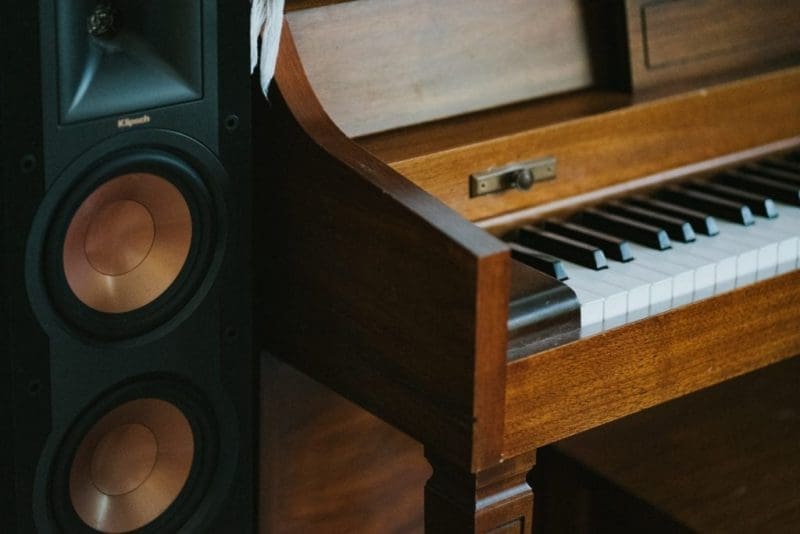
Pianos are more than furniture
A piano is often much more than a musical instrument. One of the most common instruments in households across the world, it becomes a part of the landscape of a home. It is one of the first instruments that most children are introduced to at a young age. Pianos have been around since the late 1600s, thus becoming a part of life.
Pianos have sensitive moving parts
When families move, their possessions are also relocated, often through professional packers and movers. Pianos, however, are expensive and are often heirlooms that require special knowledge and attention to the parts while moving a piano. With many kinds of pianos and specific parts that are sometimes detachable, moving a piano can be risky if left to inexperienced hands. Improper, inadequate packaging and moving might cause the piano to play discordant tunes. With the emotions and sentiments attached to a piano, piano owners should employ professional piano moving services.
Pianos are delicate
Pianos, despite their weight and size, are delicate instruments. The casing or the outer covering of a piano is often as sensitive and expensive as the interior moving parts. Inadequate workforce and equipment that is not matched with the weight of the piano can cause damage to the interior and exterior of the delicate musical instrument. Professional piano moving services often have trained staff who have access to equipment matched with the particular piano in question. Moving the piano without professional help might pose a risk of damaging the tuning, which might be very expensive to fix.
Always Hire Specialized Piano Moving Services
Unlike professional movers equipped to handle packing up a household and relocating, piano movers in Vancouver are trained to maneuver a piano safely in and out of tight spaces. Hiring a professional piano moving service is a safe bet as clients can ensure the companies worthiness through content insurance, workman’s safety and automotive insurance. With insurance in place, clients can rest easy as the precious musical instrument’s safe arrival can only be imminent. Apart from the insurance, however, the industry experience plays a significant role. Inexperienced professionals might not be aware of the roadblocks that different scenarios bring into play. Clients should always ensure that fully trained professionals are entrusted with moving the piano.
Moving Guitars Safely
Guitars, whether acoustic, electric, or bass, are among the most commonly moved instruments. The neck and headstock are the most vulnerable parts. Always loosen the strings slightly before a move to reduce tension on the neck, as temperature and humidity shifts during transit can cause warping. Place the guitar in its hard case with a snug fit. If you only have a soft gig bag, wrap the instrument in bubble wrap first, paying extra attention to the headstock. Stand guitar cases upright in the vehicle rather than stacking items on top of them.
Protecting Drums and Percussion
Drum kits should be fully disassembled before moving. Remove all heads, cymbals, and hardware, and pack them separately. Cymbals are particularly prone to cracking if stacked without padding, so place a layer of foam or a towel between each one. Wrap individual drum shells in moving blankets or bubble wrap. Hardware such as stands and pedals can go in a dedicated hardware bag or a sturdy box. Label each component to make reassembly straightforward at your new home.
Handling Brass and Woodwind Instruments
Brass instruments like trumpets, trombones, and tubas should be placed in their original cases whenever possible. Remove any mouthpieces and wrap them separately to prevent them from rattling around and denting the bell or slide. For woodwind instruments such as clarinets, flutes, and saxophones, disassemble them into their individual sections and wrap each piece in a soft cloth before placing them in the case. Reed instruments benefit from having their reeds removed and stored in a reed case to avoid warping.
Climate Control and Temperature Considerations
Musical instruments are highly sensitive to temperature and humidity fluctuations. Wood expands and contracts with moisture changes, which can crack acoustic guitar bodies, warp piano soundboards, and loosen the glue joints on violins and cellos. Brass and metal instruments are less affected by humidity but can still suffer from condensation if moved between extreme temperatures.
During a move, keep instruments in a climate-controlled environment as much as possible. In winter, never leave instruments in an unheated moving truck overnight. In summer, avoid leaving them in a hot vehicle for extended periods. When you arrive at your new home, allow instruments to acclimatize gradually by leaving them in their cases for several hours before opening them in the new environment.
Insurance for Musical Instruments
Standard moving insurance may not fully cover the value of high-end musical instruments. A professional-grade piano, vintage guitar, or orchestral instrument can be worth thousands or even tens of thousands of dollars. Before your move, check whether your homeowner’s or renter’s insurance policy covers instruments during transit. If not, consider purchasing specialized instrument insurance or a moving rider that specifically covers musical equipment.
When working with professional movers like Simple Moves, ask about their liability coverage for specialty items. Document the condition of each instrument with dated photographs before the move. This provides clear evidence in the unlikely event that a damage claim needs to be filed.
Choosing the Right Packing Materials
The materials you use to pack instruments matter just as much as how you pack them. Avoid using newspaper directly on instrument surfaces, as the ink can transfer and stain finishes. Instead, use acid-free tissue paper, soft cotton cloths, or purpose-made instrument wraps. Bubble wrap is excellent for outer padding but should not touch lacquered or varnished surfaces directly.
For items without hard cases, create a custom box using a sturdy corrugated carton. Line the interior with foam padding and ensure the instrument cannot shift inside the box. Fill any gaps with packing paper or foam peanuts. Always mark boxes containing instruments as fragile and indicate which side should face up.
Let Simple Moves Handle the Heavy Lifting
Moving musical instruments requires care, experience, and the right equipment. Whether you are relocating a grand piano across Vancouver or moving a collection of guitars to a new home in the Lower Mainland, Simple Moves has the expertise to get your instruments there safely. We treat every item as if it were our own.
Ready to move your instruments with confidence? Request a free quote or call us at (604) 398-4680 to discuss your move.
Unique Challenges of Moving Musical Instruments in 2026
Musical instruments are among the most delicate and valuable items people move, and each type presents unique challenges. String instruments are sensitive to humidity and temperature changes that can warp wood and loosen glue joints. Brass and woodwind instruments have precision mechanical components that can be bent or misaligned with even minor impacts. Electronic instruments and amplifiers contain circuit boards and delicate wiring that are vulnerable to vibration and static.
The emotional value of instruments often exceeds their monetary value. A family heirloom violin, a guitar that accompanied you through years of performances, or a drum kit that represents thousands of dollars of carefully curated pieces — these items deserve professional handling during your move. Understanding the specific vulnerabilities of each instrument type helps you prepare properly and communicate clearly with your moving company.
Packing and Moving String Instruments
Guitars, violins, cellos, and other string instruments require careful preparation before transport. Loosen the strings slightly (about a half turn on each tuning peg) to reduce tension on the neck during transit, but do not remove them entirely. Place the instrument in its hard case — never transport a string instrument in a soft gig bag during a move. If you do not own a hard case, consider renting or purchasing one for the move.
Inside the case, fill any empty space with soft packing material (acid-free tissue paper or soft cloths) to prevent the instrument from shifting. For instruments without cases, wrap them in soft packing blankets, then bubble wrap, ensuring the neck and bridge are well-supported. Cellos and upright basses should be transported standing upright when possible and secured to prevent tipping. Always transport string instruments in a climate-controlled vehicle rather than an unheated moving truck during cold or humid weather.
Moving Keyboards, Pianos, and Electronic Instruments
Digital keyboards and synthesizers should be transported in their original cases or boxes when available. If the original packaging is no longer available, wrap the keyboard in moving blankets, paying special attention to protecting the keys and any screens or displays. Disconnect all cables and pack them separately in labelled bags to simplify setup at your new home.
Amplifiers, speakers, and electronic music equipment should be wrapped individually and packed upright. Remove vacuum tubes from tube amplifiers and wrap them separately — these fragile components are the most common casualty in amplifier moves. For home recording studios with multiple pieces of equipment, photograph your cable connections before disconnecting anything. This visual reference saves hours of troubleshooting when setting up in the new location. Discuss electronic instrument moves with your movers to ensure proper handling.
Safely Moving Drum Kits and Percussion
Drum kits are more durable than string instruments but still require careful disassembly and packing. Remove all drum heads if possible, or at minimum loosen the tension rods significantly to prevent warping during transport. Wrap each drum shell individually in moving blankets, and pack hardware (cymbal stands, hi-hat stand, kick pedal, throne) in dedicated hardware cases or sturdy boxes.
Cymbals deserve special attention — they are surprisingly fragile despite their appearance. Never stack cymbals directly on top of each other without protective dividers between each one. Use a padded cymbal bag or wrap each cymbal individually in moving blankets. The edges (where sticks strike) are the most vulnerable to denting. For orchestral percussion like marimbas, xylophones, and timpani, consult with your movers about specialized handling requirements as these large instruments require specific transport configurations.
Climate Considerations for Instrument Moves
Temperature and humidity are the silent enemies of musical instruments during a move. Wood instruments (guitars, violins, pianos, woodwinds) are particularly vulnerable to rapid environmental changes. In Vancouver, where humidity levels fluctuate significantly between indoor heated spaces and the often-damp outdoor air, minimizing the time instruments spend in uncontrolled environments is critical.
Ideally, transport instruments in a climate-controlled vehicle rather than in the back of an open moving truck. If using a standard moving truck, load instruments last (so they are unloaded first) and keep them away from the truck walls where temperature extremes are greatest. Never leave instruments in a parked vehicle overnight — temperatures inside a vehicle can drop well below freezing in winter or climb dangerously high even in mild sunshine. After arriving at your new home, allow instruments to acclimate gradually before opening cases, especially if there is a significant temperature difference between the transport environment and the room.
Insurance Coverage for Moving Musical Instruments
Standard moving insurance provides coverage based on weight, which drastically undervalues musical instruments. A violin weighing two pounds could be worth anywhere from $500 to $500,000 — weight-based coverage would provide just over a dollar of compensation. Before your move, obtain appraisals for valuable instruments and discuss specific coverage options with your moving company.
Full-value protection from your mover covers replacement value but may have deductibles or exclusions for certain instrument types. Third-party instrument insurance, available from specialty providers and some musicians’ associations, offers dedicated coverage during transit. If you have an existing instrument insurance policy (common for professional musicians), verify that it covers your instruments during a residential move — some policies have exclusions for relocation scenarios.
Frequently Asked Questions About Moving Musical Instruments
Should I loosen my guitar strings before moving?
Loosen the strings by approximately a half turn on each tuning peg to reduce neck tension during transit. Do not remove strings entirely, as this causes a sudden change in tension that can affect the neck’s truss rod adjustment. Retune after the move once the instrument has acclimated to its new environment.
Can I include instruments in a standard moving truck?
Yes, but with precautions. Pack instruments in hard cases, load them last so they are unloaded first, place them away from truck walls, and ensure they are secured to prevent shifting. For high-value instruments, consider transporting them in your personal climate-controlled vehicle.
How much does it cost to move a piano in Vancouver?
An average local household move commonly lands around $1,500–$2,800. Smaller apartment moves can cost less, while large, long-distance, or difficult moves can cost more. These prices are a helpful guide based on similar moves. Every move is different, so we’ll give you a free, personal quote before anything is booked—so you know exactly what to expect.
Do I need to disassemble my drum kit before the movers arrive?
Yes, disassemble your drum kit before moving day. Loosen or remove drum heads, wrap each shell individually, and pack hardware in sturdy cases or boxes. This saves the movers time (reducing your hourly cost) and ensures each component is properly protected.
Trust your instruments to movers who understand their value. Simple Moves handles musical instruments with the care they deserve. Call (604) 398-4680 or get your free quote today.
Get a Free Moving Quote From Simple Moves
Simple Moves is a full-service moving company serving Metro Vancouver, the Fraser Valley, and all of British Columbia. We provide the experienced movers and the trucks — you do not need to rent a vehicle or recruit friends. Whether you are moving across the street or across the province, we make every move simple.
Call (604) 398-4680 or request a free quote online today.