


Tips for Moving in the Rain
If you live in Vancouver or anywhere in the Lower Mainland, the odds of encountering rain on your moving day are pretty high, especially between October and April when the Pacific Northwest earns its reputation as one of the rainiest regions in Canada. While nobody wants to move in the rain, it absolutely does not have to turn into a disaster. With the right preparation and a few smart strategies, a rainy-day move can go just as smoothly as one under blue skies. Our team at Simple Moves has handled hundreds of rainy moves over the years, and we can tell you from experience that a little preparation goes a very long way.
Updated for 2026 — this guide reflects the latest moving tips and pricing for the Greater Vancouver area.
Table of Contents
- Tips for Moving in the Rain
- 1. Check the Weather Forecast Early and Plan Accordingly
- 2. Protect Your Belongings from Water Damage
- 3. Create a Covered Loading and Unloading Area
- 4. Protect Your Floors and Entryways at Both Homes
- 5. Dress for the Conditions and Stay Comfortable
- 6. Prioritize Loading Order Based on Water Sensitivity
- 7. Use Moving Blankets and Plastic Wrap on All Furniture
- 8. Allow Extra Time for Everything
- 9. Unpack and Dry Items Promptly After Arrival
- 10. Hire Professional Movers Who Handle Rain Moves Regularly
- Have a Backup Plan for Extreme Weather
- Protect Yourself from Slips and Falls
1. Check the Weather Forecast Early and Plan Accordingly
Start monitoring the weather about a week before your move so you have time to adjust your plans if needed. Light drizzle is perfectly manageable with basic precautions, but a severe storm with heavy winds may warrant considering a reschedule if your timeline allows for flexibility. Pay attention not just to whether rain is expected but to how much and when. A forecast showing light showers in the afternoon might mean you can get most of your loading done in the dry morning hours.
If rescheduling is not an option, and in most cases it is not, do not panic. Professional movers handle rainy moves regularly throughout the fall and winter seasons in Vancouver and know exactly how to keep your belongings safe. The key is preparation, not avoidance.
2. Protect Your Belongings from Water Damage
Water and cardboard boxes do not mix. A soaked box loses its structural integrity rapidly and can collapse under its own weight, potentially damaging whatever is packed inside. Here is how to waterproof your move and protect your belongings from moisture damage.
Wrap cardboard boxes in plastic by using large garbage bags, plastic cling wrap, or even old shower curtains draped over or wrapped tightly around each box to keep water from reaching the cardboard. Use plastic bins with tight-fitting lids wherever possible instead of cardboard. They are completely waterproof, stackable, easy to carry, and reusable after the move for storage in your new home. Double-bag your most water-sensitive items including electronics, important documents, photo albums, and artwork by placing them in sealed plastic bags inside their boxes for an extra layer of protection. Reinforce the top and bottom seams of every cardboard box with heavy-duty packing tape to prevent water from seeping through gaps where the flaps meet.
3. Create a Covered Loading and Unloading Area
Setting up a sheltered pathway between your door and the moving truck can dramatically reduce the amount of water exposure your belongings face during the transition. Consider positioning a pop-up canopy or large tarp over the walkway from the front door to the truck ramp. Even a large golf umbrella or patio umbrella stationed at the truck entrance provides meaningful protection during the critical loading and unloading moments. The most important thing is to park the truck as close to the door as physically possible to minimize the distance that items travel through the rain. Even reducing that distance by ten feet makes a noticeable difference over the course of dozens of trips.
4. Protect Your Floors and Entryways at Both Homes
Wet shoes and dripping boxes can quickly turn your floors into a slippery, muddy mess at both your old home and your new one. This creates both a damage risk for your flooring and a safety hazard for everyone involved. Prevent problems by laying down plastic sheeting, drop cloths, or old towels along all high-traffic paths inside both homes. Place floor mats or flattened cardboard boxes as runners at every doorway to catch water and mud before it reaches hardwood, laminate, or carpet. Keep a stack of old towels near each entrance so movers can wipe their feet or dry off items as they come through. Consider using disposable shoe covers or designated indoor shoes to prevent tracking mud onto carpets and polished hardwood floors.
5. Dress for the Conditions and Stay Comfortable
You will be moving in and out of the rain all day, so dressing appropriately is key to staying comfortable, maintaining your energy levels, and avoiding safety hazards. Wear waterproof or water-resistant outer layers including a proper rain jacket, waterproof pants, and rubber boots or waterproof hiking boots. Choose footwear with non-slip soles and good tread because wet loading ramps, stairs, and pathways become genuinely dangerous fall hazards. Avoid cotton clothing which absorbs water and becomes heavy, cold, and uncomfortable very quickly. Synthetic or merino wool base layers dry much faster and keep you warm even when damp. Keep a change of dry clothes in your car or essentials bag so you can swap out if you get completely soaked partway through the day.
6. Prioritize Loading Order Based on Water Sensitivity
Load your most water-sensitive items first so they are tucked deep inside the truck and protected by other items stacked around them. This includes all electronics such as computers, televisions, and gaming consoles, as well as important documents, books, and photo albums. Artwork and framed pictures should also go early. Upholstered furniture should be wrapped with moving blankets first and then covered with plastic before being loaded into the truck.
Mattresses are particularly vulnerable to water damage because once the filling gets wet it can develop mould and mildew that is virtually impossible to remove. Invest in an inexpensive mattress bag, which is a fitted plastic cover designed specifically to keep your mattress dry during transport. This small investment protects one of the most expensive items in your home.
7. Use Moving Blankets and Plastic Wrap on All Furniture
Rain can stain, warp, or swell wood furniture and saturate upholstery, potentially causing permanent damage. Professional movers use thick moving blankets to cushion and protect furniture during transport, but in rainy conditions adding a layer of plastic stretch wrap over the blankets provides essential waterproofing that the blankets alone cannot offer. For wooden furniture, pay special attention to exposed surfaces, joints, and any areas where water could pool or seep in. Water that sits in crevices or joints can cause warping, swelling, and finish damage even after the piece has dried, so thorough wrapping before exposure to rain is critical.
8. Allow Extra Time for Everything
Everything takes longer in the rain, and building that reality into your plan from the start prevents frustration and rushing. Loading and unloading require more care because surfaces are slippery and items need additional wrapping. Driving speeds should be reduced for safety, especially on highways and bridges. The additional wrapping and covering of items adds time to every single trip between the house and the truck. Build at least an extra hour, and preferably ninety minutes, into your moving day schedule to account for the slower and more cautious pace that rain demands.
If you are hiring movers by the hour, keep this time buffer in mind when budgeting. The extra time is well spent because rushing in wet conditions dramatically increases the risk of slips, drops, and damage to both people and belongings.
9. Unpack and Dry Items Promptly After Arrival
Once everything is safely inside your new home, open boxes and remove plastic wrapping as soon as possible. Trapped moisture inside sealed packaging can lead to mould and mildew growth if items remain damp for too long, sometimes in as little as twenty-four to forty-eight hours in warm indoor conditions. Prioritize unpacking upholstered items and fabric-covered furniture first, followed by books, documents, and paper goods, then clothing and linens. Electronics should be allowed to reach room temperature and dry completely before plugging them in to prevent short circuits and other electrical damage.
10. Hire Professional Movers Who Handle Rain Moves Regularly
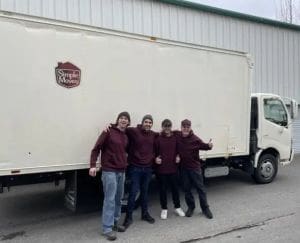
The single best way to ensure a successful rainy-day move is to hire movers who have extensive experience working in wet conditions. At Simple Moves, we are based in the Lower Mainland, which means we move people in the rain on a regular basis throughout the year. Our crew arrives equipped with moving blankets, plastic wrap, floor protection, and the practical know-how to protect your belongings in any weather condition Vancouver throws at us.
We also offer packing services, so if you would rather not worry about waterproofing your own boxes and wrapping your own furniture, we can handle the entire process from start to finish.
Have a Backup Plan for Extreme Weather
While light to moderate rain is manageable, truly extreme weather events such as windstorms, flooding, or ice storms can make moving genuinely dangerous. Before your moving day, discuss contingency plans with your moving company. Ask what their policy is for weather-related rescheduling, whether there is a fee for changing dates due to severe weather, and how much notice they need if you decide to postpone. Having this conversation in advance, rather than on the morning of a storm, reduces stress and ensures both parties know what to expect.
Protect Yourself from Slips and Falls
Wet surfaces are the number one cause of moving day injuries during rainy weather. Slippery loading ramps, wet stairs, puddled driveways, and muddy lawns all create fall hazards that can result in serious injuries. Beyond wearing proper footwear, spread non-slip mats or old towels on ramps and stairs. Use the handrails whenever they are available. Carry lighter loads than you normally would to maintain better balance. And if the moving truck has a hydraulic ramp or lift gate, make sure it is clean and dry before anyone steps onto it. A few extra minutes of safety preparation can prevent an injury that derails your entire moving day and costs far more than the time invested.
Frequently Asked Questions
Should I reschedule my move if rain is in the forecast?
Light to moderate rain is perfectly manageable with proper preparation. We only recommend rescheduling in the case of severe weather warnings involving ice storms, extreme winds, or flooding. Contact us and we will help you evaluate the forecast and make the right call.
Will my belongings be safe inside the truck during rain?
Yes. Our trucks are fully enclosed and sealed, so once your items are loaded they are completely protected from the elements. We take extra care during the loading and unloading phases to minimize the time items spend exposed to rain.
Does moving in the rain cost more than a dry-weather move?
There is no rain surcharge or weather premium. However, rainy moves may take slightly longer due to the extra precautions involved, which can affect the total on hourly-rate moves. We always communicate transparently about timing and costs.
Do not let a little rain derail your moving plans. Call Simple Moves at (604) 398-4680 or request a free quote and let us handle the wet work for you.